

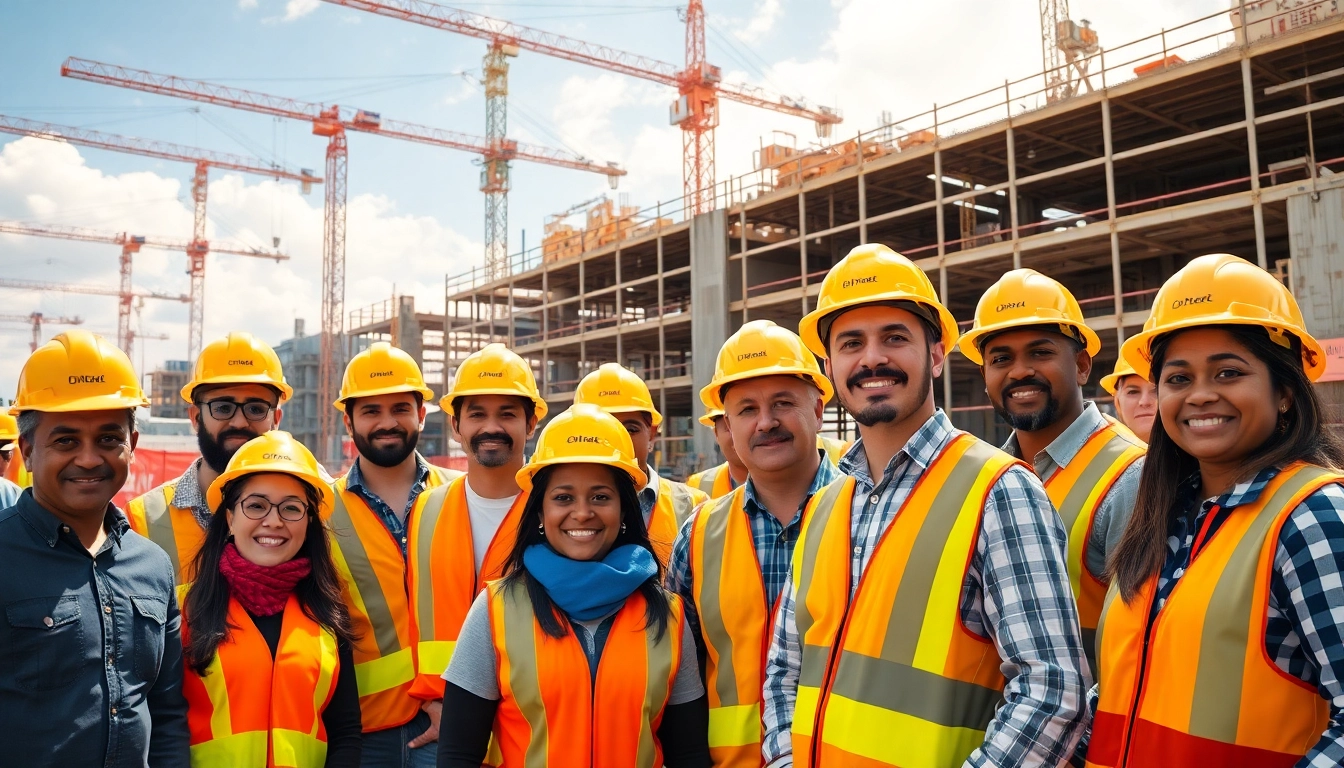
Understanding Austin Construction Trends
Current Industry Landscape
The construction landscape in Austin is evolving rapidly, driven by factors such as the city’s dynamic growth, diverse population, and the demand for sustainable practices. As the capital of Texas, Austin has experienced a construction boom, fueled by a strong economy and an influx of businesses and residents. The skyline is dotted with new commercial, residential, and mixed-use developments that reflect the city’s vibrant culture and entrepreneurial spirit.
Current trends reveal a focus on urbanization, where developers are increasingly opting for infill projects that maximize land use. This is complemented by a growing emphasis on eco-friendly designs and materials, as the city prioritizes sustainability. An understanding of these trends is vital for stakeholders in the Austin construction market, as they navigate opportunities and challenges presented by this evolving industry.
Key Sustainability Practices
In Austin, sustainability transcends being a mere trend; it is becoming a foundational element of construction practices. Key sustainability practices involve selecting energy-efficient materials, adhering to green building certifications like LEED, and incorporating renewable energy technologies. Builders are increasingly utilizing recycled materials and environmentally safe construction methods, reducing waste during the building process.
More than just compliance with regulations, these practices create value. Properties designed with sustainability in mind often see a higher ROI, improved tenant satisfaction, and enhanced marketability. Moreover, the city provides incentives for businesses that actively pursue sustainable projects, making these practices beneficial for both the environment and the bottom line.
Technology Impact on Austin Construction
The integration of advanced technology is reshaping Austin’s construction industry. Building Information Modeling (BIM) offers contractors and architects a collaborative way to visualize projects, enabling real-time modifications and efficient planning. Drones are increasingly used for site surveys, providing accurate data that can streamline processes and minimize safety risks.
In addition, the adoption of project management software enhances workflow coordination and communication among teams. Technologies such as augmented reality allow stakeholders to experience a project virtually before construction begins, improving decision-making and client satisfaction. As these technological advancements gain traction, they promise to enhance not only efficiency but also the overall quality of Austin construction projects.
Challenges in the Austin Construction Market
Labor Shortages in Austin Construction
The construction industry in Austin faces significant labor shortages, driven by a booming economy and rapid population growth. As more projects are initiated, the demand for skilled labor continues to outpace supply. Consequently, contractors struggle to find qualified workers, leading to project delays and increased costs.
To mitigate these challenges, investing in training and educational programs for new workers is essential. Local collaborations between construction firms and vocational schools can help bridge this skill gap, fostering a new generation of skilled labor that meets the industry’s needs.
Regulatory Hurdles Impacting Projects
Navigating the regulatory landscape poses a significant challenge for construction projects in Austin. Stringent zoning laws, building codes, and environmental regulations can complicate the approval process, delaying timelines and impacting budgets. Additionally, changes in legislation can create uncertainty for developers and investors.
Understanding local regulations and fostering relationships with government officials is crucial. Engaging with industry associations can provide insights and resources that facilitate smoother project execution while ensuring compliance with all necessary regulations.
Cost Management Tips
Cost management is critical in managing construction projects effectively. Given the rising material costs and labor shortages, applying strategic budgeting and cost estimation practices can significantly impact outcomes. Detailed project planning and transparent communication with contractors can mitigate unexpected expenses.
Employing value engineering—analyzing functions of various project components to improve value—can also help control costs. Leveraging long-term contracts with suppliers may provide price stability for materials. Ultimately, continuous monitoring of expenses against the budget enables timely adaptations to unforeseen financial challenges.
Best Practices for Successful Austin Construction Projects
Planning and Design Considerations
Effective planning and design are fundamental to successful construction projects in Austin. Setting clear goals, timelines, and budget constraints at the project’s inception fosters alignment among stakeholders, ensuring that all are on the same page. Collaborative design practices can also unify architects, engineers, and clients, leading to more innovative solutions tailored to site-specific conditions.
Considering the community’s needs during the design phase can cultivate neighborhood support and enhance project acceptance. Engaging local input helps align developments with the social fabric of the area, promoting a sustainable and thriving environment.
Effective Project Management Techniques
Adopting robust project management techniques is vital for success in Austin construction. Employing Agile methodologies allows for flexibility, enabling teams to adapt to changing conditions efficiently. Ensuring regular communication through updates and meetings fosters collaboration, while the use of project management software streamlines workflows and accountability.
Establishing clearly defined roles and responsibilities helps prevent confusion and overlaps in tasks. Comprehensive risk management strategies should be in place to identify potential obstacles ahead of time, facilitating proactive solutions and minimizing disruptions during construction.
Material Selection and Sustainability
The selection of materials plays a pivotal role in both the sustainability and durability of construction projects. Choosing eco-friendly materials reduces environmental impact and enhances energy efficiency, contributing to lower operational costs. Collaborating with suppliers that prioritize sustainable practices can yield both economic and environmental benefits.
Innovative building materials such as reclaimed wood, recycled steel, and energy-efficient glazing significantly improve a building’s ecological footprint. Additionally, discussing sustainable choices early in the design phase enables teams to maximize both performance and aesthetic appeal, leading to successful project outcomes.
Real-World Examples of Austin Construction Success
Case Study: Eco-Friendly Building
A notable example of eco-friendly construction in Austin is the Mueller neighborhood, which exemplifies sustainable design and community-centric planning. This mixed-use development emphasizes green spaces, renewable energy sources, and sustainable construction materials. Properties here have achieved high LEED certifications, showcasing the potential for environmentally responsible urban designs.
The vibrant lifestyle it provides fosters a strong sense of community, drawing new residents and businesses alike, validating the success of integrating sustainability into urban planning.
Innovative Housing Solutions
Amidst rising housing demands, innovative solutions are emerging in Austin, focusing on affordable housing and modular construction. Projects utilizing prefabricated techniques are gaining traction as they streamline building processes while reducing costs and construction time. This model is particularly beneficial in addressing the housing crisis faced by the city.
Additionally, co-housing arrangements are being developed to foster community interaction and shared resources. These innovative housing solutions not only save costs but also promote a sustainable, cooperative lifestyle that benefits residents.
Community-Focused Developments
Community-focused developments in Austin emphasize local engagement and support. Projects like the Austin Community Design and Development Program foster partnerships between builders and community members, ensuring developments reflect the needs and aspirations of residents.
By prioritizing community input, these developments enhance local identity and support social cohesion, improving overall quality of life. Engaging residents throughout the process establishes trust and satisfaction, leading to a more harmonious relationship between developers and the community.
Future of Austin Construction: What to Expect
Emerging Trends to Watch
As the construction industry continues evolving, several emerging trends are poised to shape its trajectory. Smart technology integration, including IoT and automation, will revolutionize construction practices, driven by demand for greater efficiency and safety.
Additionally, biophilic design—connecting people with nature through architecture—is gaining popularity, fostering well-being and enhancing user experiences in built environments. Both trends will require construction professionals to adapt to shifting paradigms while embracing new tools and techniques.
Investment Opportunities in Austin Construction
Austin’s construction market presents various investment opportunities, highlighting the growth of commercial and residential sectors. Strategic investments in multifamily housing and office spaces in emerging neighborhoods promise substantial returns, given the ongoing population influx and economic expansion.
Investing in green buildings can also yield long-term savings through reduced operational costs and higher market demand. Moreover, funding and grants for sustainable initiatives can provide additional financial incentives, encouraging investment in eco-friendly projects.
Community Engagement and Feedback
Community engagement is essential for successfully navigating future construction projects in Austin. Soliciting feedback from local stakeholders ensures that developments meet the community’s evolving needs, allowing for modifications that enhance acceptance and support.
Leveraging social media platforms, conducting workshops, and arranging public meetings can foster an open dialogue between developers and residents, encouraging transparency and inclusivity in the construction process. Establishing positive relationships with the community not only aids in project approval but also enriches the development landscape.
Frequently Asked Questions
What are current trends in Austin construction?
Trends include sustainability practices, urban infill development, and incorporating technology like BIM and drones to enhance efficiency.
How does sustainability impact construction in Austin?
Sustainability enhances project value and compliance. It leads to energy-efficient builds, reduced waste, and better ROI, attracting eco-conscious buyers.
What challenges do contractors face in Austin?
Contractors face labor shortages, regulatory hurdles, and cost management issues, necessitating strategic planning and local engagement.
What are best practices for successful construction projects?
Best practices include thorough planning, effective project management, selecting sustainable materials, and engaging community input from the start.
What future trends will affect Austin construction?
Future trends include smart technology integration, increased biophilic design, and growth opportunities in multifamily housing due to demand spikes.