

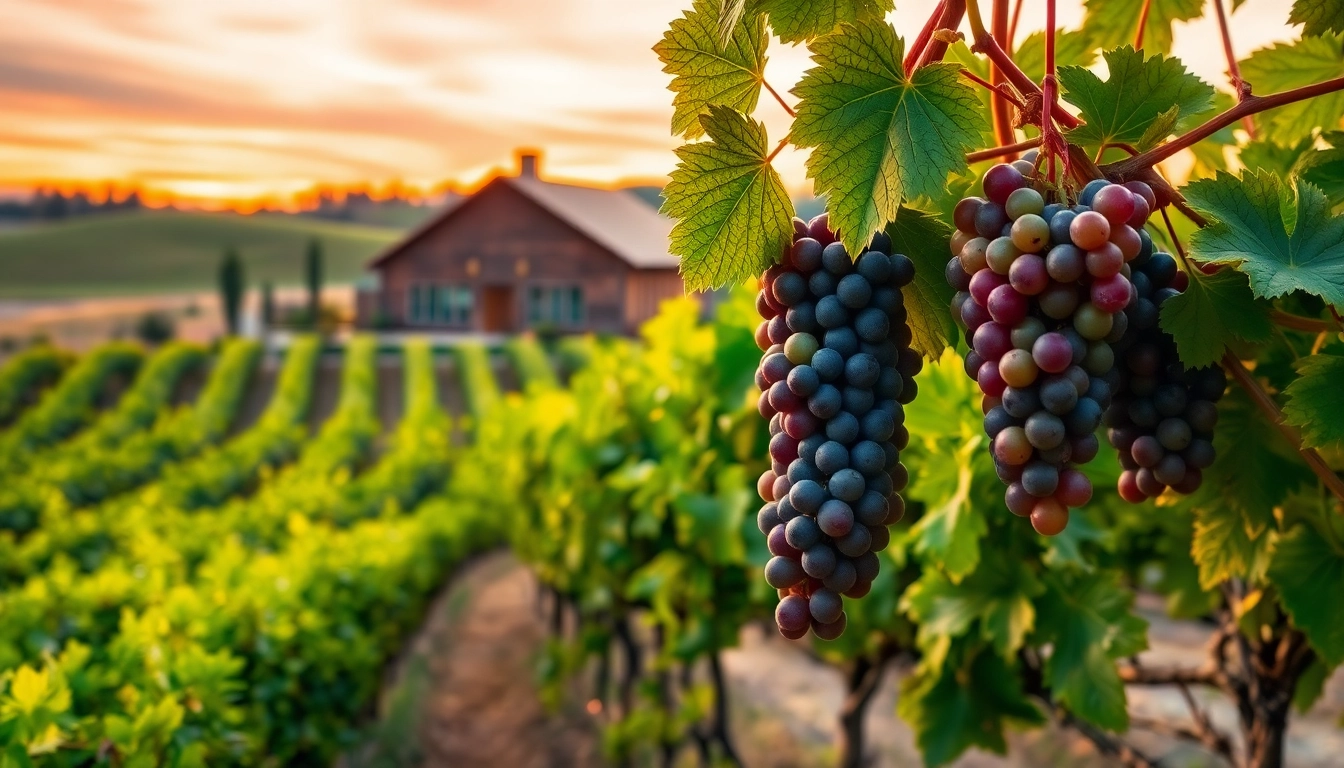
Discovering the Charm of Sacramento Wineries
Located at the confluence of the American and Sacramento rivers, Sacramento has a rich history that beautifully intertwines with the art of winemaking. With a climate and soil that provide the perfect backdrop for growing grapes, Sacramento wineries are becoming increasingly popular among wine enthusiasts. Whether you are a seasoned connoisseur or a casual enthusiast, the experience of visiting local wineries can be educational and leisurely. In this guide, we will explore what makes Sacramento wineries unique, how to plan your visit, the winemaking process, and how to engage with the community of wine lovers in the region.
A Brief History of Sacramento Winemaking
Winemaking in the Sacramento area dates back to the mid-19th century when early European settlers brought grapevines to California’s fertile soil. The region thrived, initially focusing on table grapes for local consumption as well as export, but soon began to develop a reputation for its wines. By the late 1800s, the Sacramento Valley had emerged as a significant wine producer, establishing vineyards that introduced varietals such as Zinfandel and Petite Sirah.
However, like many regions across California, Sacramento’s winemaking experienced challenges during Prohibition, which led to a decline in vineyard activity. It wasn’t until the 1990s that the region experienced a renaissance, thanks in large part to the emergence of boutique wineries focused on quality production over quantity. Today, Sacramento wineries are rediscovering their heritage while also embracing modern techniques that attract visitors from around the globe.
Unique Characteristics of Sacramento Vineyards
What sets Sacramento apart from other wine regions in California is its diverse microclimates and soil types. The area enjoys a Mediterranean climate characterized by warm, dry summers and mild, wet winters, providing the ideal conditions for grape growing. The valley’s alluvial soils, enriched by centuries of sediment deposits, contribute to the distinct flavor profiles of the wines produced here.
In addition to its climate, Sacramento is significantly influenced by the proximity to numerous rivers. These waterways not only provide irrigation but also create a cooling effect, which is beneficial for grape ripening. Wineries here are noted for their sustainability practices, often integrating organic and biodynamic farming techniques that contribute to the unique terroir—the environmental conditions that affect a crop’s phenotype.
The Growing Popularity of Local Wines
As the global wine industry evolves, sacramental wines have been gaining a following due to their unique flavor profiles and commitment to quality. Wine enthusiasts are increasingly looking to discover local wines that speak to their origins, making Sacramento wineries an attractive option. The region produces a wide range of varietals, from traditional favorites like Cabernet Sauvignon to innovative blends rarely seen elsewhere.
Additionally, the popularity of agritourism has resulted in a surge of interest in vineyard tours and tastings, allowing visitors to immerse themselves in the world of winemaking. Local wineries are responding to this demand by offering curated experiences that educate guests while showcasing their best offerings. As more people become interested in the art of winemaking, Sacramento is sure to capture their imaginations with its extraordinary wines.
Planning Your Visit to Sacramento Wineries
Best Times to Visit and What to Expect
The best time to visit Sacramento wineries is during the fall, particularly from September to November, when the grape harvest is in full swing. This period is not only picturesque, with vibrant autumn foliage, but it also affords visitors a chance to witness the hustle and bustle of the harvest process. Spring is another fantastic time to visit, as the vineyards are alive with blooming vines and comforting weather.
When planning your visit, you can expect a range of experiences at Sacramento wineries. Most establishments offer guided tours where visitors can learn about the winemaking process, sample wines, and sometimes even enjoy special food pairings. Many wineries have outdoor tasting rooms and picnic areas where you can relax and enjoy the stunning landscape. Be sure to check the individual winery’s calendar for any special events, promotions, or seasonal offerings, as these can greatly enhance your experience.
Top Wineries to Consider for a Tour
While Sacramento boasts many wineries, some stand out for their distinct offerings and experiences. Here are a few top choices:
- Clarksburg Wine Company: Known for its Zinfandels and Barbera, Clarksburg offers tours through beautiful vineyards coupled with their delicious wine tastings.
- River City Winery: Located near downtown Sacramento, this winery features a friendly atmosphere and a range of wines crafted from locally sourced grapes.
- Dry Creek Vineyard: Specializing in sustainable practices, Dry Creek Vineyard offers a variety of wines paired with exquisite views and a commitment to environmental stewardship.
- Old Sugar Mill: This historic site is home to multiple wineries and tasting rooms, making it a one-stop destination for wine enthusiasts to explore various brands and styles.
Local Events and Festivals Celebrating Wine
Sacramento’s wine culture is celebrated through numerous local events and festivals, which are excellent opportunities to engage with the community and discover new wines. One of the most notable events is the Sacramento Wine and Chocolate Festival, typically held every May, attracting thousands of wine lovers who enjoy exploring diverse local wines paired with artisanal chocolates.
Another exciting event is the California Wine Month celebration in September, featuring numerous activities, wine tastings, and educational sessions at local wineries. Seasonal harvest festivals also bring together wine lovers for a fun-filled experience of food, music, and, of course, some of the best wines produced in the region.
Wine Tasting Experiences in Sacramento
How to Savor and Appreciate Local Wines
Wine tasting is both an art and a science, requiring a degree of practice and keen senses. To fully appreciate Sacramento wines, it’s essential to engage with the experience sensorially. Begin by observing the wine’s color and clarity in the glass. Take a moment to swirl the wine gently, releasing aromatic compounds. Smell deeply to uncover the nuanced scents that can range from fruity and floral to earthy and spicy. Lastly, take a sip and let the flavors unfold over your palate, focusing on the texture and finish of the wine.
Engaging fully with the tasting process can elevate your experience, as practicing this mindfulness can lead to a deeper appreciation of each wine’s unique characteristics. Don’t hesitate to ask the staff for insights—they are usually passionate and knowledgeable, ready to share the winery’s story and how the wine was crafted.
Pairing Food with Sacramento Wine Varietals
Food and wine pairing enhances the enjoyment of both elements, and Sacramento’s local wines are no exception. For instance, a full-bodied Cabernet Sauvignon pairs excellently with hearty dishes like grilled steak or rich pasta sauces, while a light, crisp Sauvignon Blanc complements fresh seafood or salads perfectly.
Many Sacramento wineries also offer food pairings during tastings, presenting curated menus designed to highlight specific wines. Don’t miss an opportunity to explore traditional Californian cuisine alongside local varietals, as flavors can elevate the tasting experience significantly.
Tips for First-Time Wine Tasters
If you’re new to the world of wine tasting, it can feel a bit overwhelming at first. Here are some tips to enhance your experience:
- Stay Open-Minded: Try wines from various varietals and producers, keeping an open palette to discover what resonates with you.
- Ask Questions: Don’t hesitate to engage with the staff; they are your best resource for insights and recommendations.
- Savor, Don’t Rush: Take your time during tastings to fully engage with each wine, giving each enough attention to appreciate its qualities.
- Use a Spitoon: If you’re tasting multiple wines, use the spitoon provided. This allows you to enjoy the experience without overwhelming your palate or intoxication.
The Winemaking Process in Sacramento
From Grape Harvesting to Bottling
The winemaking process is a meticulous journey beginning with grape harvesting, which typically occurs from late August through October, depending on the varietal. Grapes are carefully picked by hand or machine to ensure only the highest quality fruit is selected.
Once harvested, grapes are transported to the winery, where they undergo destemming and crushing to release their juices. Fermentation then takes place in temperature-controlled vats, converting sugars into alcohol. Following fermentation, wines are often aged in barrels, a critical step that influences the final flavor profile.
Each winery may employ unique techniques during the aging process—from the type of barrels used to the length of aging. Finally, the wine is filtered and bottled, ready for tasting and enjoyment. This entire process showcases winemakers’ artistry and dedication to producing high-quality wines that reflect the Sacramento region’s terroir.
Sustainable Practices in Local Winemaking
Sustainability in winemaking has gained traction in recent years, with many Sacramento wineries embracing eco-friendly practices. These may include organic farming methods, water conservation techniques, and the use of renewable energy sources. Such approaches not only minimize the environmental impact of grape production but also enhance the quality of the wines.
Practices such as cover cropping, composting, and integrated pest management are often implemented to maintain soil health and biodiversity. As consumers become more conscientious about the environmental impact of their choices, wineries that practice sustainability are finding favor among a growing audience.
Challenges and Innovations in the Industry
The wine industry in Sacramento, like many regions, faces challenges ranging from climate change to increased competition. Fluctuating weather patterns can impact grape yields, while market saturation demands wineries to differentiate themselves through quality and unique offerings. However, these challenges also pave the way for innovation, with many wineries exploring new grape varietals and winemaking techniques to meet consumer demand.
Efforts to adopt newer technologies—such as precision viticulture and advanced fermentation techniques—enable producers to optimize yields, enhance flavors, and ensure consistency in their products. Addressing these challenges with proactive solutions helps drive the industry forward, and Sacramento’s wineries are leading the charge.
Engaging with Sacramento’s Wine Community
Joining Wine Clubs for Exclusive Benefits
One of the most rewarding ways to engage with Sacramento’s wine community is by joining a winery’s wine club. Membership typically includes exclusive access to limited-release wines, discounts on purchases, and invitations to special events and tastings. Many clubs also provide shipments of curated selections, allowing you to explore a winery’s portfolio from the comfort of your home.
Participating in a wine club can deepen your understanding of local wines, often supplementing your tasting notes with educational materials that explain the background of each product and its ideal food pairings. This engagement fosters a closer connection to the crafting wineries, enhancing your appreciation of the winemaking journey.
Tips for Networking in the Wine Industry
For those looking to establish connections within the wine industry, networking can prove invaluable. Here are a few practical tips to get started:
- Attend Local Events: Participate in wine tastings, festivals, and educational seminars to meet like-minded individuals and industry professionals.
- Join Professional Organizations: Organizations such as the California Wine Club offer forums for networking and learning about industry trends.
- Engage on Social Media: Utilize platforms like Instagram to connect with local wineries, winemakers, and enthusiasts, showcasing your experiences and sharing insights.
- Volunteer for Events: Offer your time to help organize or support local wine events, as this can be an excellent avenue for meeting influential people in the industry.
Volunteering and Participating in Local Initiatives
In addition to networking, volunteering presents a valuable opportunity to learn about winemaking while giving back to the community. Many wineries and wine organizations in Sacramento are often looking for volunteers for harvest seasons, events, or educational initiatives, which can provide insight into the inner workings of the industry and how it operates.
Participating in local initiatives also helps foster a sense of community and connection to the land. Many wineries are devoted to promoting sustainable practices, so volunteering for environmental clean-up events or educational workshops can align your interests and values.