










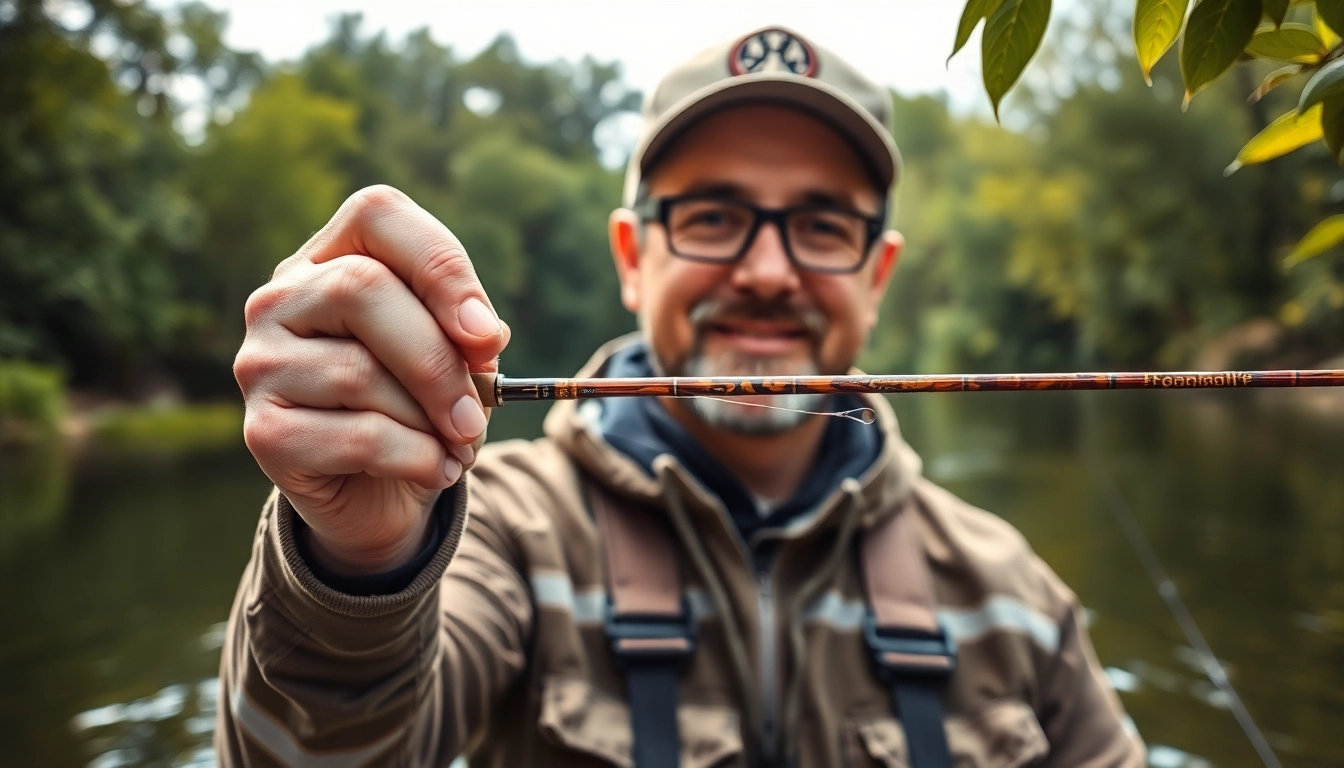
Understanding Fly Fishing Rod Basics
Fly fishing is more than just a sport; it’s an art that connects you to nature while honing your skills. At the heart of this pursuit lies one indispensable tool: the fly fishing rod. The choice of the right rod can greatly influence your fishing experience and success. As you embark on the journey to find the best fly fishing rods, it’s crucial to understand the key elements that define these instruments.
Types of Fly Fishing Rods
Fly fishing rods come in various types, each designed for different styles of fishing, species, and water conditions. The most common types include:
- Single-Handed Rods: These rods are ideal for smaller streams and lakes, allowing anglers to cast short distances. They typically range from 7 to 9 feet in length.
- Double-Handed Rods (Spey Rods): Used mainly for larger rivers, these rods are designed for two-handed casting, making it easier to cast heavy lines and large flies.
- Switch Rods: These versatile rods can be used as both single-handed and double-handed rods, making them suitable for various fishing situations.
- Euro Nymphing Rods: Specifically designed for nymph fishing, these rods enable more precise control and sensitivity for better hook sets.
Length and Action: Choosing the Right Fit
The length and action of a rod are critical factors that influence performance. Rod length typically varies between 7.5 and 10 feet, while action refers to how much the rod flexes during casting. Here’s how to choose the right fit:
- Length: Shorter rods (7.5 to 8.5 feet) are great for tight spaces and close-range casting, while longer rods enhance casting distance and control on open water.
- Action: Rods are classified as slow, medium, or fast action. Slow action rods bend more throughout the length, making them ideal for gentle presentations. Fast action rods, on the other hand, flex primarily at the tip and offer greater distance and power for quick casts.
Materials Used in Fly Rods
The construction material of fly rods significantly impacts their weight, sensitivity, and strength. The most common materials include:
- Graphite: Known for its lightweight and sensitivity, graphite is the most popular material among modern fly rods. It offers excellent responsiveness and casting accuracy.
- Fiberglass: While heavier than graphite, fiberglass rods provide a unique, soft feel that many anglers appreciate. They are particularly good for delicate presentations.
- Bamboo: Traditional bamboo rods are highly prized for their aesthetics and casting feel. They require more maintenance but offer a smooth casting experience.
Key Features of the Best Fly Fishing Rods
The best fly fishing rods possess distinct features that enhance their performance. Understanding these characteristics can help you make an informed decision when selecting a rod.
Rod Construction and Performance
Quality construction is vital for achieving optimal performance in a fly rod. Look for rods with:
- High-Quality Materials: Premium graphite or fiberglass provides better action and durability.
- Precise Manufacturing: Attention to detail in the manufacturing process affects rod action and strength.
- Sensitivity: The ability to feel even the slightest nibble increases your chances of success.
Importance of Grip and Reel Seat
A comfortable grip and reliable reel seat are essential for maintaining control and comfort during long hours of fishing. When assessing these components, consider:
- Grip Material: Cork grips are popular for their comfort and aesthetics, while EVA foam grips offer durability.
- Reel Seat Design: Ensure the reel seat is compatible with your reel and securely holds it during casting and retrieving.
Weight Considerations for Different Species
Different fish species require specific rod weights. The weight of a fly rod corresponds to the line weight it is designed to cast. For example:
- Fish Species: If you’re targeting panfish, a lighter rod (2-4 weight) is suitable. For larger species like bass or trout, a medium rod (5-7 weight) works best. Heavy rods (8-10 weight) are ideal for saltwater fishing or large freshwater species like pike and salmon.
- Presentation Technique: The type of flies you’re using and the fishing technique will also dictate the rod weight.
Top Brands for Fly Fishing Rods
When it comes to purchasing a fly fishing rod, brand reputation can be a significant indicator of quality. Here are some top brands worth considering:
Comparing Quality and Price Points
Different brands offer varying price points and quality levels. For instance:
- St. Croix: Known for their premium rods, St. Croix provides a range of prices, ensuring both novice and experienced anglers can find suitable options.
- Orvis: Often regarded as one of the best brands in the industry, Orvis offers high-quality rods that cater to serious anglers.
- Echo: A great choice for budget-conscious anglers, Echo provides well-crafted rods at competitive prices without sacrificing performance.
User Reviews and Ratings
Consulting user reviews can provide valuable insights into the performance and durability of specific rods. Look for models consistently receiving high ratings, and consider feedback regarding comfort and usability.
Brand Reputation in the Industry
Long-established brands often come with a legacy of innovation and reliability. Researching a brand’s history, warranty, and customer service can also guide your decision. Brands with a strong reputation generally reflect quality through their craftsmanship and customer support.
Common Mistakes When Selecting Fly Fishing Rods
Choosing the right fly fishing rod can be overwhelming, and it’s easy to make mistakes. Here are some common pitfalls to avoid:
Overlooking Your Fishing Style
Your fishing style should dictate the type of rod you select. For example, if you prefer nymphing, a softer rod with a sensitive tip might serve you better than a fast-action rod designed for distance casting.
Ignoring Local Fishing Regulations
Always check local fishing regulations that might limit the types of equipment you can use for certain species or in specific areas. Compliance ensures a more responsible fishing experience.
Buying Based on Trends Rather Than Needs
Don’t fall into the trap of selecting a rod based solely on what’s trending among anglers or what influencers suggest. Focus on your preferences, the species you’re targeting, and your skills.
Maintenance Tips for Your Fly Fishing Rods
Proper maintenance extends the lifespan of your fly fishing rod. Here are some invaluable tips to keep your gear in top shape:
Cleaning and Storage Best Practices
After every fishing trip, inspect and clean your rod. Rinse it with fresh water to remove dirt and salt, and store it in a cool, dry place. Consider using a rod sock or tube for added protection during transport.
Repairing Common Damage
Minor damages, such as scratches or a loose guide, can often be repaired with simple tools. However, significant breaks may require professional attention. Invest in good quality repair supplies, and always have a backup rod available.
When to Upgrade Your Equipment
Know when to invest in new equipment. Signs that it may be time to upgrade include noticeable wear and tear, a decline in performance, or if your fishing style has evolved significantly.


