

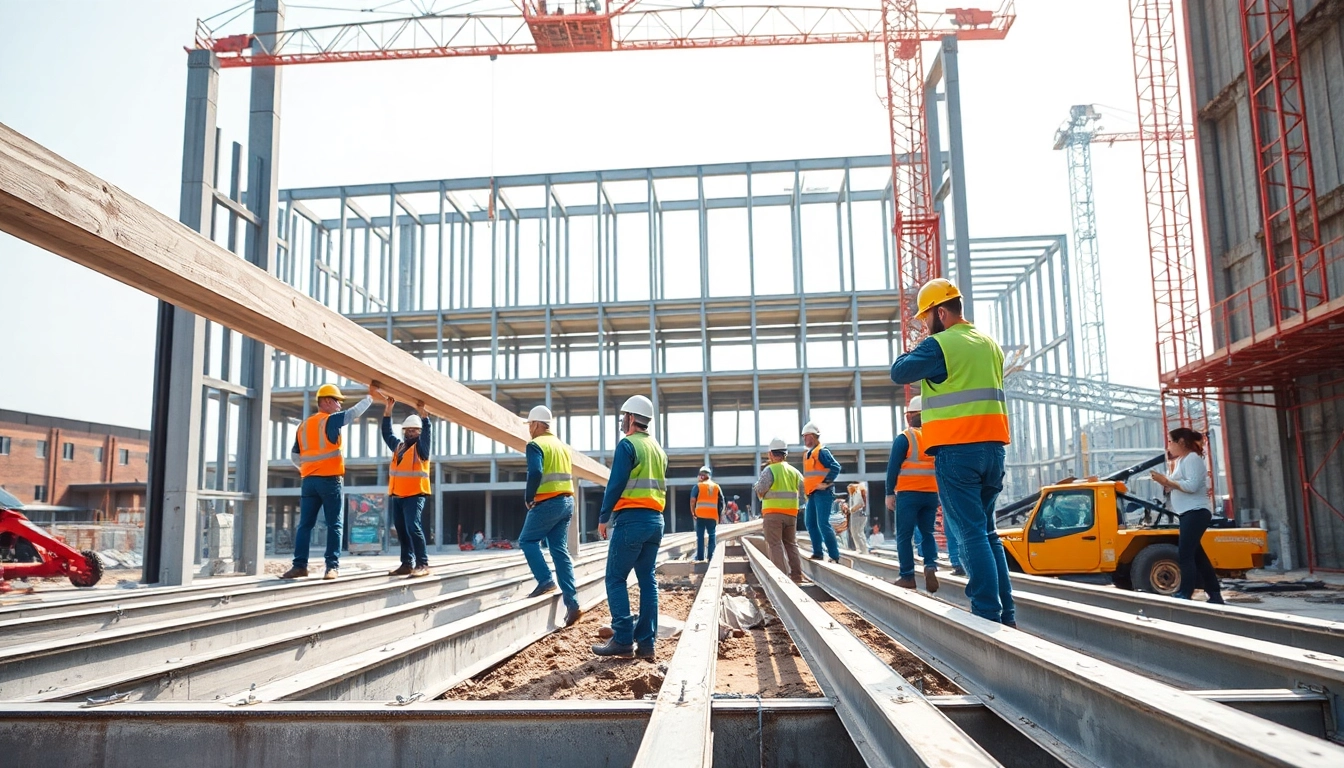
Understanding Structural Steel Installation
Among the various materials used in construction, structural steel stands out due to its exceptional strength, durability, and versatility. Structural steel installation involves a precise method of assembling steel components to create robust frameworks capable of supporting extensive loads. Understanding the intricacies of this process is essential for ensuring the safety and longevity of structures built with this material.
What is Structural Steel Installation
Structural steel installation refers to the process of fabricating, assembling, and erecting steel components to form the skeletal framework of buildings and other structures. It typically includes activities like cutting, welding, bolting, and securing steel members—such as beams, columns, and trusses—into place. This process is typically performed by specialized contractors who have expertise in structural engineering and construction techniques.
Importance of Quality Materials
The performance of a structure heavily depends on the quality of materials used in its construction. High-grade structural steel not only enhances safety and durability but also reduces the risk of fatigue and failure over time. Utilizing quality materials can lead to cost savings in repairs and maintenance, making the initial investment worthwhile. Building codes often dictate the required specifications for materials used, thereby emphasizing their importance in structural projects.
Common Applications of Structural Steel
Structural steel is prevalent in various applications due to its robustness and adaptability. Some typical uses include:
- Commercial Buildings: Many skyscrapers and office buildings utilize structural steel for their frameworks, providing adaptability and structural integrity.
- Industrial Structures: Factories, warehouses, and power plants often use steel frameworks due to their capacity to support heavy machinery and equipment.
- Bridges: The strength and resilience of structural steel make it ideal for constructing bridges, which require extensive load-bearing capabilities.
- Residential Construction: An increasing number of homes incorporate steel framing to attain structural efficiency and design flexibility.
- Infrastructure Projects: Steel plays a crucial role in the construction of highways, airports, and other foundational infrastructure.
Preparation for Structural Steel Installation
Preparation is key to ensuring a successful structural steel installation. It involves a comprehensive approach that considers various factors including site conditions, compliance with regulations, and proper material handling.
Site Assessment and Surveying
Before installation can begin, a thorough site assessment must be completed. This includes surveying the site to identify factors such as soil conditions, topography, and existing structures. A precise surveying process helps determine the best positioning for steel components, ensuring structural integrity and compliance with design specifications. Advanced technology, including drones and 3D mapping, can expedite this process and enhance accuracy.
Understanding Building Codes and Regulations
Compliance with local, state, and federal building codes is essential in structural steel installation. These codes dictate standards for design, materials, construction practices, and safety measures. Familiarity with these regulations through consultations with architects and civil engineers can help streamline the installation process and avoid costly modifications later.
Material Handling and Storage Guidelines
Proper handling and storage of structural steel components are critical to maintaining their quality and ensuring safety during installation. Steel must be stored in a dry area, elevated off the ground to prevent rusting and deformation. When handling heavy steel sections, cranes or forklifts should be employed, and workers must adhere to established safety protocols to prevent accidents and injuries.
Techniques for Efficient Structural Steel Installation
Efficiency is paramount during the structural steel installation process. Utilizing advanced techniques and proper practices can significantly reduce installation time and enhance overall project outcomes.
Use of Advanced Tools and Equipment
The use of modern tools and equipment can facilitate smoother installations. Tools such as robotic welders, CNC machines for precision cutting, and advanced cranes equipped with GPS capabilities can expedite various aspects of the installation. Implementing these technologies allows for improved accuracy and minimizes human error, ultimately increasing the structural integrity of the project.
Best Practices for Assembly
To achieve an efficient assembly of structural steel components, several best practices should be followed. These include:
- Pre-Fabrication: Where possible, components should be pre-fabricated in a controlled environment to ensure quality and precision before being transported to the site.
- Sequential Installation: Following a systematic installation sequence helps coordinate the assembly, minimizing the risk of errors and rework.
- Regular Communication: Ongoing communication between teams ensures cohesiveness and allows for real-time problem-solving to avoid potential delays.
Integrating Safety Measures During Installation
Safety must always be a top priority during structural steel installations. Workers should be trained in safety protocols and use appropriate personal protective equipment (PPE) such as helmets, gloves, high-visibility clothing, and harnesses. Moreover, establishing a safety oversight team can help monitor practices, ensuring that potential hazards are identified and mitigated swiftly.
Quality Control and Inspection in Structural Steel Installation
Quality control is crucial for the long-term performance of structural steel installations. Implementing comprehensive inspection protocols can help catch any issues early in the process, ensuring that the final structure meets all safety and performance standards.
Conducting Structural Integrity Tests
Post-installation, conducting structural integrity tests is essential. These tests include non-destructive testing methods such as ultrasonic testing, magnetic particle testing, and dye penetrant testing to assess the quality of welds and the absence of defects. Regular inspections throughout the process can help ensure that any potential weaknesses are identified and addressed promptly.
Regulatory Compliance in Inspections
Every installed structural component must meet certain regulatory compliance standards. Inspections should be conducted regularly in accordance with local building codes and regulations. Documentation of these inspections is important for future reference and to ensure compliance in case of any disputes or audits.
Handling Defects and Maintenance Issues
Defects found during inspections must be attended to immediately to prevent larger structural issues. A maintenance plan should be established for ongoing assessments and repairs, ensuring that any defects or anomalies are addressed before they escalate. Regular checks can help extend the lifespan of the structure and enhance safety for occupants.
Future Trends in Structural Steel Installation
As the construction industry evolves, new trends are emerging that will shape the future of structural steel installation. These trends focus on innovation, technological advancements, and increasing sustainability in practices.
Innovations in Steel Fabrication Techniques
Advancements in fabrication techniques such as 3D printing are making waves in structural steel installations. This technology enables the creation of complex shapes and components that were previously difficult or impossible to fabricate. These innovative methods allow for greater customization and can lead to substantial cost and time savings during the installation process.
Role of Technology in Installation Efficiency
The integration of technology into structural steel installations is becoming more prominent. Building Information Modeling (BIM) allows for enhanced visualization of projects, improving collaboration and communication across teams. Additionally, the use of augmented reality (AR) can facilitate training and help workers visualize complex structures before installation, ultimately enhancing on-site efficiency.
Sustainability Practices in Structural Steel Projects
Sustainability is increasingly becoming a priority in the construction industry. Practices such as reusing steel components, optimizing designs to minimize waste, and using environmentally-friendly coatings and treatments are gaining popularity. These strategies not only reduce the environmental impact of construction but also improve the long-term sustainability of built environments.