
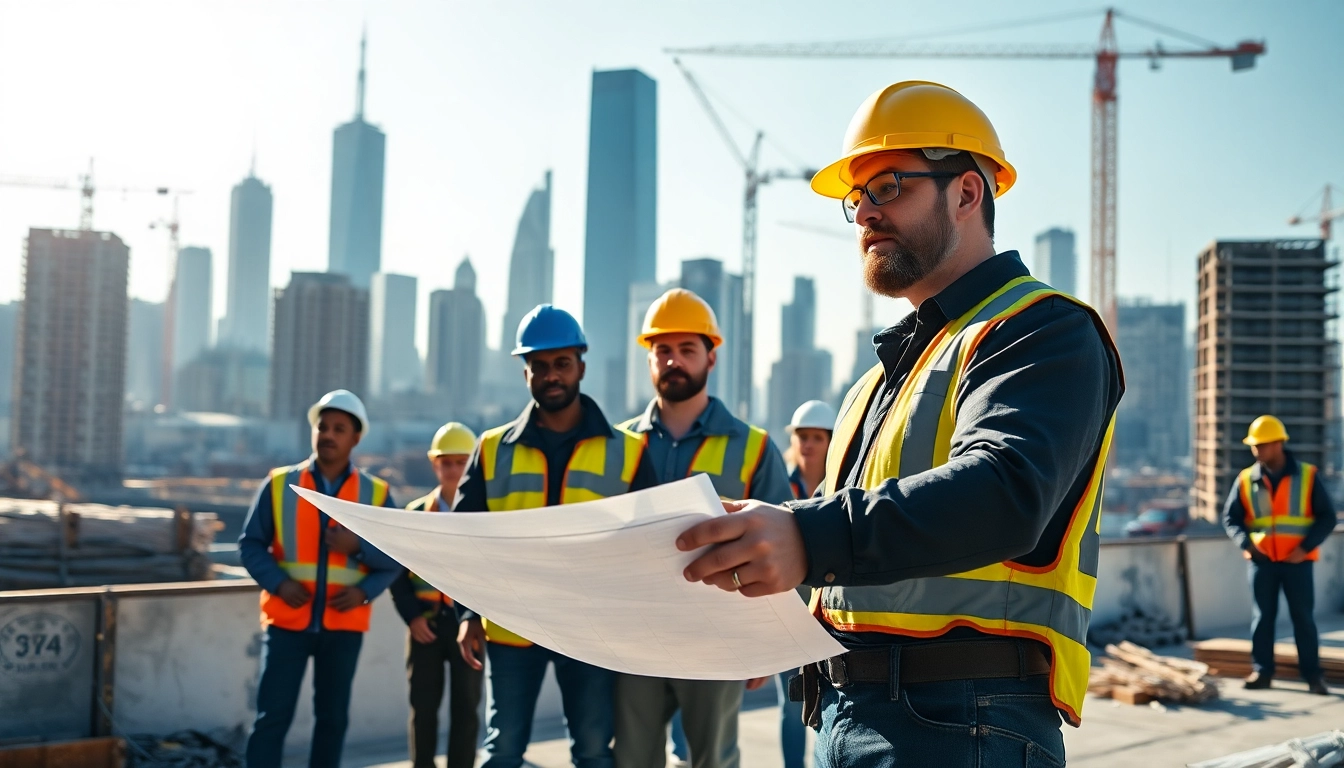
Understanding the Role of a New York City Commercial General Contractor
When embarking on a commercial construction project in the bustling landscape of New York City, engaging the right New York City Commercial General Contractor is crucial. These professionals bridge the gap between vision and reality, ensuring that projects are not only completed on time but also within budget and to the highest standards. This article will explore the multifaceted role of commercial general contractors in New York City, detailing their responsibilities, skills, and the unique challenges they face in the urban environment.
What Does a New York City Commercial General Contractor Do?
A New York City commercial general contractor manages the daily operations of a construction project. They are responsible for coordinating all aspects of a project, from hiring subcontractors and suppliers to ensuring compliance with local regulations. Their tasks include scheduling, budgeting, procurement, and on-site management. This role requires a blend of project management skills and a deep understanding of construction methods, materials, and best practices unique to New York’s diverse landscape.
Additionally, general contractors serve as the main point of communication between the project owner and various stakeholders, including architects, engineers, and inspectors. They must expertly navigate complex urban settings, often dealing with limited space, logistical challenges, and strict building codes. Successful contractors leverage their experience to foresee potential hurdles and implement solutions proactively.
Key Skills and Qualifications
To excel as a commercial general contractor in New York City, individuals need a combination of education, experience, and specific skills. Most contractors begin their careers with a degree in construction management, civil engineering, or a related field, often supplemented with hands-on experience in the construction industry.
Essential skills for a successful general contractor include:
- Project Management: Mastery of planning, executing, and overseeing projects to meet deadlines and budgets.
- Communication: Strong verbal and written communication skills for effective collaboration with diverse teams.
- Problem-Solving: Ability to quickly address and resolve unexpected issues that arise during construction.
- Knowledge of Local Regulations: Familiarity with New York City’s building codes, safety regulations, and zoning laws.
- Technical Skills: Understanding of construction processes, materials, and technologies.
Importance of Local Knowledge
In a city as dynamic and complex as New York, local knowledge is invaluable. A good commercial general contractor not only understands the technical aspects of construction but also the nuances of working within the city’s unique regulatory environment. This includes knowledge about:
- The various boroughs and their specific building codes and regulations.
- Local suppliers and contractors who can provide materials and services promptly.
- Neighborhood dynamics, which can influence project progress and community relations.
This local expertise allows contractors to anticipate challenges and navigate them effectively, ensuring a smoother construction process. Additionally, understanding the local market can help general contractors provide competitive pricing and timely solutions.
How to Choose the Right New York City Commercial General Contractor
Choosing the right commercial general contractor in New York City is a critical decision that requires careful consideration of several factors. The right contractor can make all the difference in the success of a project, ensuring quality workmanship and adherence to timelines.
Evaluating Experience and Reputation
Experience plays a pivotal role in a contractor’s ability to manage projects effectively. When evaluating potential contractors, consider their portfolio of previous work. Look for projects of similar scope and complexity, and pay attention to the contractor’s experience in New York City, where conditions can vary greatly from project to project.
Additionally, reputation is crucial. Seek out testimonials, reviews, and ratings online. Engaging with past clients can provide insights into the contractor’s reliability, quality of work, and communication skills. Word-of-mouth recommendations and industry referrals are also valuable sources for assessing a contractor’s reputation.
Assessing Cost Estimates
Receiving accurate cost estimates is essential for budgeting a commercial construction project. When reviewing estimates, ensure they include detailed breakdowns of labor, materials, and overhead costs. This transparency allows you to understand where funds will be allocated and helps prevent unexpected expenses down the line.
Be cautious of estimates that seem disproportionately low; they may indicate corners being cut or subpar quality materials. It’s also advisable to compare multiple estimates to get a comprehensive view of the market rates for your project.
Checking References and Past Projects
Before making a final decision, thoroughly check references. A reputable contractor should provide a list of past clients willing to share their experiences. Ask about the contractor’s ability to meet deadlines, quality of workmanship, and how they managed communication throughout the project.
Additionally, visiting completed projects can provide valuable insights into the quality and durability of their work. Examine finishes, materials, and the overall condition of these projects. A contractor’s past work often speaks volumes about what you can expect for your project.
Common Challenges with New York City Commercial General Contractors
No construction project is without its challenges, and working with New York City commercial general contractors is no exception. Understanding these common pitfalls can help project owners prepare and navigate the landscape more effectively.
Managing Project Timelines
Timelines can be particularly challenging in New York City, where unforeseen circumstances such as weather delays, labor strikes, or supply chain issues can impact progress. A good commercial general contractor will have strategies in place to manage these risks, including contingency planning and flexible scheduling practices.
Regular updates and progress meetings can help keep momentum going and ensure that all parties are aligned on timelines and expectations. Establishing a detailed project timeline with milestones can promote accountability and track progress effectively.
Navigating Regulations and Permits
New York City has some of the most stringent building regulations and permit requirements in the country. Securing the necessary permits can be a lengthy and complex process that can stall projects. A knowledgeable contractor will be well-versed in these requirements and can help expedite the process by preparing the necessary documentation and submitting applications efficiently.
It’s essential to engage a contractor with a track record of navigating local regulations successfully, as this expertise can save time and resources in the long run.
Effective Communication Strategies
Effective communication is the backbone of successful project management. Miscommunication can lead to mistakes, delays, and misunderstandings. To mitigate these risks, clear communication protocols should be established from the outset.
This includes defining roles, expectations, and preferred channels of communication among all stakeholders. Regular check-ins through meetings, emails, or project management tools can facilitate ongoing dialogue and ensure all parties are engaged and informed throughout the project lifecycle.
Best Practices for Working with a New York City Commercial General Contractor
Collaboration is key to achieving a successful construction project. Employing best practices when working with a New York City commercial general contractor can yield remarkable results and foster a positive working relationship.
Setting Clear Expectations
Setting clear expectations at the project outset is essential. This includes defining the scope of work, timelines, quality standards, and budget constraints. All parties should have a shared understanding of what is to be achieved and what success looks like. Documenting these expectations in a formal contract can provide a blueprint for accountability and reference throughout the project.
Utilizing Technology for Project Management
In today’s digital age, leveraging technology can enhance project management efficiency. Various tools can be utilized for scheduling, resource allocation, and communication among teams. Cloud-based project management software allows for real-time updates, document sharing, and task tracking, ensuring that everyone remains on the same page.
These technologies not only facilitate better collaboration but can also provide valuable data analytics to inform decision-making throughout the project.
Regular Progress Meetings
Establishing a routine for progress meetings can help maintain transparency and foster accountability. These meetings should focus on tracking project milestones, discussing challenges, and revisiting timelines as needed. Regular updates ensure that all parties remain aligned and can address changes proactively, minimizing disruptions to the project flow.
Evaluating Success with a New York City Commercial General Contractor
As the project comes to completion, evaluating its success is essential for stakeholders and contractors alike. This assessment can inform future projects and improve collaboration moving forward.
Defining Metrics for Project Assessment
Defining clear success metrics early in the project establishes a foundation for evaluation. Metrics can include adherence to budget, completion time, quality standards, and client satisfaction. Measuring these areas provides a framework for analyzing the contractor’s performance objectively and identifies areas for improvement.
Post-Project Evaluation and Feedback
Conducting a post-project evaluation allows stakeholders to reflect on what worked well and what challenges arose. This includes gathering feedback from all parties involved, including the contractor, project owner, and subcontractors. Constructive feedback can lead to enhanced processes and successful collaborations in the future.
Building Long-Term Relationships
Establishing a long-term working relationship with a reliable commercial general contractor offers numerous benefits. It fosters trust, reduces the learning curve for future projects, and enables smoother collaboration. Continuous partnerships can lead to better pricing and prioritization of projects, making it worthwhile to invest time and effort in building these relationships.
FAQs about New York City Commercial General Contractors
1. What is the main responsibility of a commercial general contractor?
A commercial general contractor oversees the daily operations of construction projects, managing subcontractors, timelines, and budgets, ensuring the project meets all specifications and regulations.
2. How do I evaluate a contractor’s experience?
Look at their portfolio, focusing on past projects of similar scope and complexity. Review client testimonials and ask for references to understand their performance and reliability.
3. What should I include in the project contract?
Include project scope, timelines, budgets, payment schedules, quality standards, and responsibilities. Clear terms help avoid misunderstandings throughout the project.
4. How can technology improve project management?
Technology enhances project management by providing tools for scheduling, task tracking, document sharing, and real-time communication, which increases efficiency and accountability.
5. Why is local knowledge important for contractors?
Local knowledge helps contractors navigate city regulations, codes, and logistics unique to the area, allowing them to anticipate challenges and streamline project execution.