Understanding Structural Steel Construction
Structural steel construction is a pivotal aspect of modern architecture and engineering, forming the backbone of many buildings and structures. As a carbon-based metal, structural steel possesses unique properties that make it an ideal choice for constructing various infrastructures. Its versatility, strength, and durability are among the reasons it is widely adopted in the construction industry. Throughout this article, we will explore the benefits, components, and intricacies of structural steel construction.
What is Structural Steel?
Structural steel is a type of steel specifically designed for use in construction. Its composition generally includes a carbon content ranging between 0.05% and 0.25%, ensuring high strength and resilience. Moreover, structural steel must comply with standards set by organizations such as ASTM International to ensure safety and reliability. Typically available in various grades and shapes, structural steel is fabricated into beams, columns, and other components necessary for constructing buildings and bridges.
Key Properties and Benefits
The properties of structural steel make it a preferred material for construction:
- High Strength-to-Weight Ratio: Structural steel is lightweight yet extremely strong, allowing for efficient designs that retain structural integrity.
- Durability: Resistant to many environmental impacts, structural steel has a long lifespan when properly maintained.
- Flexibility: It can be fabricated into a myriad of shapes and sizes, accommodating different architectural needs.
- Cost-Effectiveness: Quick assembly and reduced material waste contribute to lower overall project costs.
- Sustainability: Steel is recyclable, making it an environmentally friendly option in construction projects.
Common Applications in Construction
Structural steel is utilized across various applications in construction, including:
- Commercial Buildings: From skyscrapers to office complexes, structural steel provides the framework for many commercial constructions.
- Industrial Facilities: Factories and warehouses often rely on steel structures for their durability and ample interior space.
- Bridges and Overpasses: Steel's tensile strength is vital for structures that must span large distances.
- Residential Buildings: Some modern homes utilize structural steel framing for design flexibility and strength.
Components of Structural Steel Construction
Different Types of Structural Steel
Various types of structural steel exist, categorized based on their properties and uses. The most commonly recognized types include:
- Wide Flange Beams (W-Beams): Used primarily for beams and supports in buildings.
- Angle Steel: Often used in bracing and framing due to its lightweight nature and strength.
- Channel Steel: Commonly utilized in building frames, machinery parts, and other structural applications.
- Square and Rectangular Tubes: These are often used in structural applications where a higher strength is required.
Common Shapes and Configurations
Structural steel is available in many shapes, allowing engineers to select the most suitable configuration for their projects. The most common shapes include:
- I-Beams: Ideal for bending in structural applications.
- T-Beams: Effective for structural support, especially in bridge constructions.
- C-Channels: Frequently used in constructing supports for various applications.
- Plates and Sheets: Often used for flooring and walls, providing additional support where needed.
Understanding Steel Grades
Steel grades determine the specific qualities of the material, such as yield strength and ductility. Common grades of structural steel include:
- ASTM A36: A low carbon steel used for general construction.
- ASTM A992: Commonly used for structural steel framing in buildings.
- ASTM A572: Low alloy steel designed for high-strength applications.
Design and Engineering Considerations
Design Principles for Structural Steel
The design of structural steel elements is critical for ensuring safety and performance. Several key design principles must be considered:
- Load Analysis: Understanding the loads that buildings will experience helps in designing robust structures.
- Stability: Structures must resist displacement while ensuring stability under various conditions.
- Serviceability: The design should ensure that structures remain functional and comfortable for occupants.
Lifespan and Durability Factors
The longevity of structural steel constructions is influenced by several factors:
- Environmental Conditions: Areas with high moisture or corrosive environments may decrease steel lifespan.
- Maintenance: Regular inspections and maintenance can prevent deterioration.
- Quality of Materials: Using high-quality steel and protective coatings enhances durability.
Connection and Fabrication Techniques
Proper connection techniques are critical in ensuring structural integrity. Common methods include welding, bolting, and riveting. Each offers unique advantages in different applications, contributing to the overall strength and reliability of the structure.
Construction Methods and Techniques
Assembly Techniques for Structural Steel
The assembly of structural steel elements can utilize various techniques, mainly including:
- Prefabrication: Components are manufactured off-site for efficient assembly.
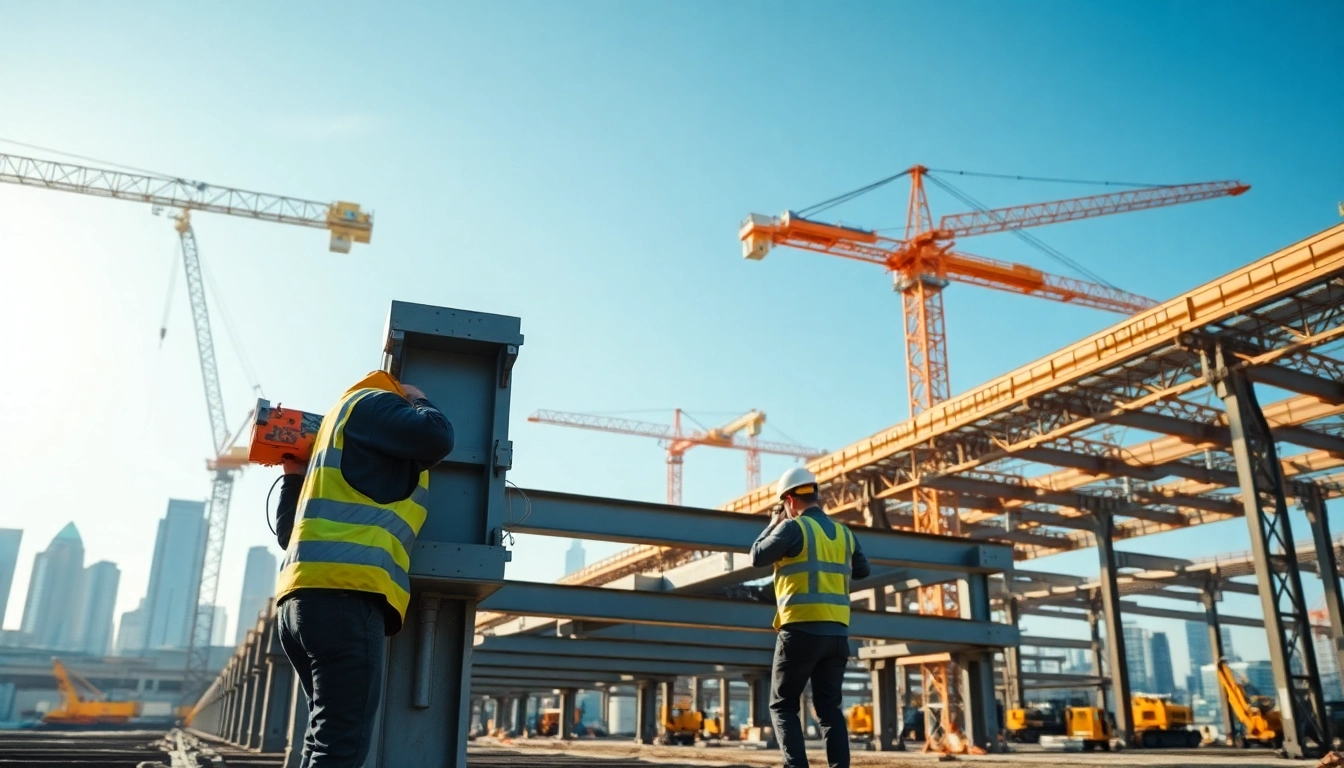
- On-Site Assembly: Final assembly is conducted at the construction site, often requiring cranes and other equipment.
- Modular Construction: Various sections are built off-site and assembled into larger structures.
Safety Practices in Steel Construction
Safety is paramount in structural steel construction. Best practices include:
- Proper Training: Ensure that all workers are trained in safety protocols.
- Use of Personal Protective Equipment (PPE): Hard hats, safety boots, and other gear must be utilized.
- Regular Safety Inspections: Conduct frequent assessments to identify potential hazards.
Technological Advances in Construction
The construction industry is evolving, benefiting significantly from technological advancements such as:
- Building Information Modeling (BIM): Allows for detailed digital representations of structures.
- 3D Printing: Emerging methods for fabricating components without traditional manufacturing techniques.
- Drones: Utilized for site surveys and inspections, improving safety and accuracy.
Frequently Asked Questions About Structural Steel Construction
What is structural steel construction?
Structural steel construction involves using steel components to create frameworks for buildings and structures, ensuring stability and integrity.
How durable is structural steel?
Structural steel can last 50-100 years when properly maintained, depending on the quality of materials and care provided.
What are the main types of structural steel?
Main types include wide flange beams, angle steel, channel steel, and square/rectangular tubes, each serving different structural needs.
How is structural steel fabricated?
Structural steel fabrication includes cutting, bending, and assembling steel components as per the required specifications, often utilizing advanced machinery.
What maintenance does structural steel require?
Regular inspections, thorough maintenance, and protective coatings are essential to prevent corrosion and ensure longevity in structural steel.