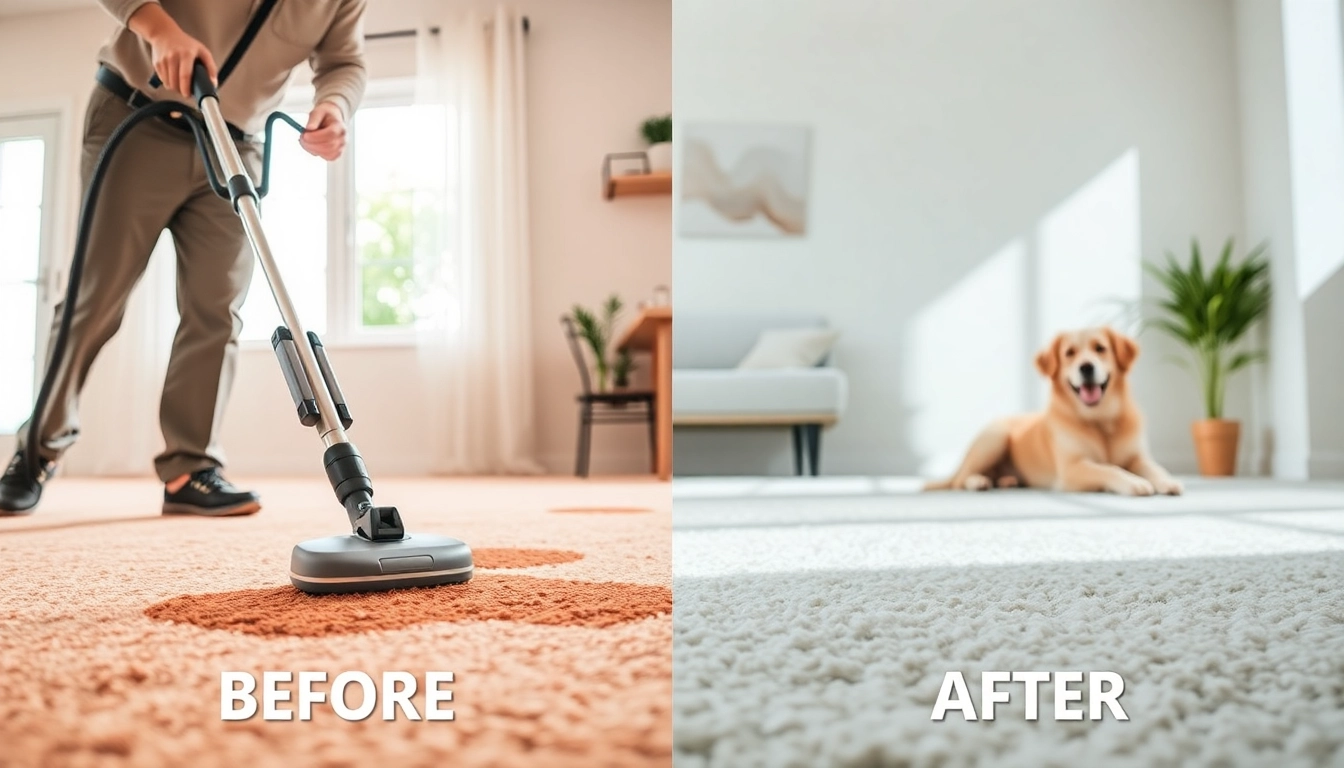
Understanding Pet Odor Carpet Cleaning
Pet odors can significantly affect the freshness and ambiance of our homes, particularly if we have furry friends that tend to leave their marks on carpets. Understanding the cause and implications of these odors is the first step in managing them effectively. One of the most effective strategies includes regular pet odor carpet cleaning, which can ensure a cleaner, healthier living environment.
What Causes Pet Odors in Carpets?
The primary culprits behind pet odors include urine, feces, and vomit. When pets urinate on the carpet, the urine can penetrate deep into the fibers, resulting in lingering smells that can become more potent over time. Feces and vomit can also leave behind stains and odor if not cleaned immediately. Beyond these obvious causes, other factors such as saliva, fur, and dander can accumulate, contributing further to unpleasant smells.
Additionally, the type of carpet can affect odor retention. Berber and shag carpets, for example, may hold onto odors more than low-pile carpets. Moreover, if the carpet backing absorbs pet accidents, it becomes increasingly challenging to eliminate the odor without professional cleaning.
Health Implications of Pet Odors
Pet odors are not just unpleasant; they can also pose health risks. For instance, pet urine can contain bacteria that may lead to infections or allergies in sensitive individuals. The ammonia in urine can trigger respiratory issues for some people. Furthermore, untreated pet odors can create an environment conducive to mold and mildew growth, which can exacerbate health problems and cause structural damage to the home over time.
Responsible pet ownership includes not only proper training but also ensuring a clean living space that supports the health of both pets and their owners. Regular carpet cleaning should be a key part of this responsibility.
Benefits of Professional Carpet Cleaning
One of the key advantages of hiring a professional carpet cleaning service is the expertise they offer. Professionals use specialized equipment and techniques that are more effective than typical home cleaning solutions. This ensures that deep-seated odors, stains, and allergens are effectively removed, leaving carpets cleaner and fresher.
Moreover, professional treatments often include sanitizing agents that can neutralize bacteria and odors, providing a healthier environment. Regular professional cleaning can also extend the lifespan of carpets, preserving their appearance and integrity over time.
Choosing the Right Cleaning Products
Types of Cleaners for Pet Odor Removal
When selecting cleaning products for pet odor removal, you have two main types: enzymatic cleaners and chemical based cleaners. Enzymatic cleaners are formulated with enzymes that break down the proteins and compounds in pet urine, effectively neutralizing odors. They are particularly beneficial for older stains that have set into carpets.
Chemical cleaners, on the other hand, may provide immediate results but often mask odors rather than eliminate them completely. They can contain harsh chemicals that may be detrimental to pets and children, making it vital to choose suitable products based on your household's needs.
Natural vs. Chemical Solutions
Natural solutions for pet odor removal are becoming increasingly popular among pet owners. Ingredients such as baking soda, white vinegar, and essential oils can provide effective cleaning while being safer for both pets and people. For example, a mixture of baking soda and vinegar can help neutralize odors when sprinkled on carpets and left to sit before vacuuming.
While chemical solutions can be more robust, they often come with a range of potential health risks. It’s essential to weigh the pros and cons of each approach, considering both effectiveness and safety for your home.
How to Read Carpet Cleaner Labels
Understanding product labels is crucial for selecting the right carpet cleaning solution. Look for key ingredients that indicate effectiveness against pet odors, such as "enzymes," "bacteria," and "deodorizing agents." Additionally, opt for products that specify they are safe for pets and children. Avoid products with harmful solvent-based ingredients, which can contribute to indoor air pollution and potentially harm your pets.
Environmental certifications can also guide your choices. Products that display a seal for safety or eco-friendliness can offer peace of mind for conscientious consumers.
DIY Techniques for Pet Odor Carpet Cleaning
Homemade Cleaning Solutions
Creating homemade cleaning solutions can be a cost-effective way to battle pet odors. One proven recipe includes mixing 1 cup of white vinegar, 2 cups of water, and a few drops of dish soap. This solution can effectively neutralize odors and clean carpets without harsh chemicals.
Another popular DIY remedy is using baking soda. Sprinkling baking soda on the affected area and letting it sit overnight can help absorb odors before vacuuming it away the following day.
Step-by-Step DIY Cleaning Guide
To embark on your DIY carpet-cleaning journey, follow this step-by-step guide:
- Identify the affected areas and test a small portion of the carpet with your cleaning solution for colorfastness.
- Blot up any excess moisture with a clean cloth or paper towels.
- Apply your homemade cleaning solution generously to the stained area.
- Allow it to sit for 10-15 minutes to penetrate the fibers.
- Blot the area again, followed by sprinkling baking soda to help absorb moisture and odors.
- Vacuum the area after it has dried completely.
- For intense odors, repeat the process as needed.
Common Mistakes to Avoid
One common mistake people make is using excessive water, leading to a wet carpet that takes longer to dry and can promote mold growth. Additionally, failing to test cleaning solutions before full application can result in discoloration or damage to the carpet. Always ensure that any cleaning solution is thoroughly rinsed from the carpet to avoid residue build-up that can attract dirt.
Finally, neglecting to vacuum regularly can exacerbate odor issues. Frequent vacuuming helps remove dander and hair, which contribute to the odors over time.
When to Hire a Professional Service
Signs Your Carpet Needs Expert Treatment
There are several signs that indicate it’s time to call a professional carpet cleaning service. These include persistent odors that don't respond to DIY methods, visible stains that remain after home cleaning attempts, and overall discoloration of the carpet. If you notice that allergens are affecting your health, it may also be time to seek expert assistance.
What to Look for in a Cleaning Company
When selecting a carpet cleaning company, prioritize those with good reputations, which can often be verified through online reviews and testimonials. Check for certifications and insurance to ensure the company adheres to industry standards. It's also beneficial to discuss their methods, particularly whether they use eco-friendly solutions.
Requesting an estimate and inquiring about guarantees or warranties on their services can help you make an informed choice.
Cost Considerations for Professional Cleaning
The cost of professional carpet cleaning can vary widely based on factors such as the size of the area, level of cleaning required, and geographical location. On average, homeowners may spend anywhere from $25 to $70 per room. While it may initially seem like a significant expense, consider the long-term benefits of maintaining healthy carpets and the potential reduction in your overall cleaning efforts.
Maintaining a Fresh Carpet Post-Cleaning
Regular Maintenance Tips
Maintaining clean carpets post-professional cleaning involves regular upkeep. Vacuum at least once a week to remove dirt and pet hair, and consider investing in a vacuum with a HEPA filter to trap allergens effectively. Spot clean any accidents promptly with appropriate solutions to prevent odors from setting in.
Additionally, scheduling professional cleanings every 6 to 12 months can help keep your carpets in optimal condition and minimize long-term odor issues.
Preventative Measures Against Pet Odors
Prevention is always better than cure. Incorporating preventative measures such as using pet training pads can help manage accidents, particularly in young or elderly pets. Furthermore, establishing designated areas for your pets to play and rest can help minimize wear and tear on carpets.
Regularly grooming your pets to reduce shedding and dander will also contribute to a fresher carpet environment, lessening the risk of odor buildup.
Essential Tools for Carpet Care
Equipping yourself with the right tools can make a significant difference in carpet maintenance. A good quality vacuum cleaner specific for pet hair, carpet brushes, and spot cleaners can facilitate day-to-day cleaning activities. Having readily available homemade cleaning solutions can also empower you to tackle any accidents immediately, reinforcing a proactive approach to carpet upkeep.
FAQs About Pet Odor Carpet Cleaning
1. How often should I clean my carpets if I have pets?
If you have pets, aim for professional cleaning every 6-12 months, coupled with regular vacuuming to maintain freshness.
2. Can pet odors be completely eliminated?
Yes, with the right cleaning techniques and products, pet odors can be significantly reduced or completely eliminated.
3. Are homemade cleaning solutions effective against pet odors?
Yes, many homemade solutions, like vinegar and baking soda, are effective in neutralizing pet odors.
4. Is professional cleaning worth the cost?
Yes, professional cleaning can provide deeper cleaning that DIY methods often cannot achieve, leading to healthier living spaces.
5. What should I do if my pet has an accident on the carpet?
Clean the area immediately with a blotting technique, followed by an appropriate cleaning solution to prevent odor penetration.