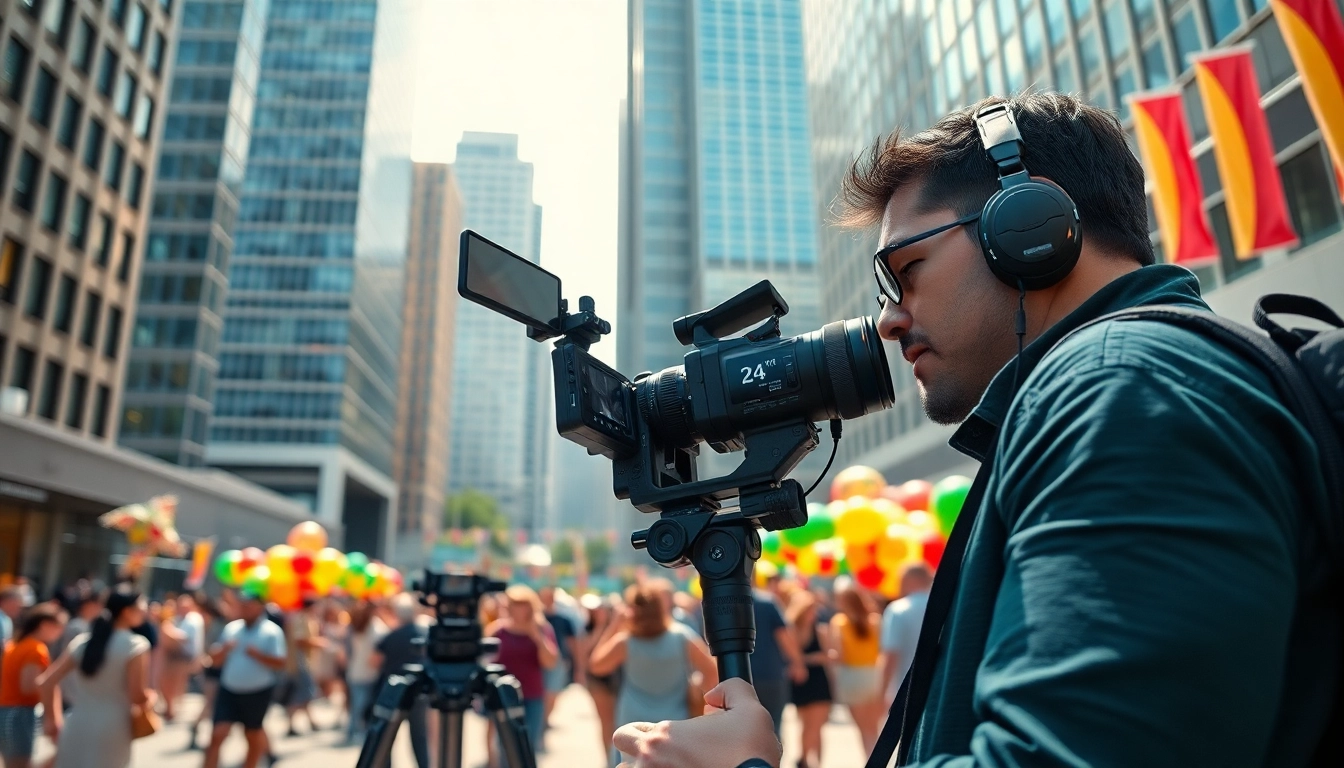
Understanding the Role of a Videographer
In a digital age, where content is king, the importance of a skilled Videographer cannot be overstated. Videographers are responsible for capturing and producing video content that communicates a story, showcases an event, or promotes a brand. Understanding the multifaceted role of a videographer is essential for businesses and individuals looking to create impactful visual content.
What Does a Videographer Do?
A videographer's responsibilities extend beyond simply recording video. They are involved in all stages of production, including planning, shooting, editing, and post-production tasks. The primary functions of a videographer include:
- Pre-production Planning: This involves understanding the client’s vision, developing a script or treatment, scouting locations, and assembling the necessary equipment.
- Shooting: Videographers operate cameras, set up lighting, and manage audio equipment to ensure high-quality footage is captured.
- Editing: This includes reviewing footage, selecting the best takes, adding transitions, audio, and graphics, and creating a cohesive final product.
- Client Collaboration: Throughout the process, effective communication with the client is crucial to ensure the final video aligns with their expectations.
Key Skills to Look for in a Videographer
When searching for a videographer, several key skills and qualities are essential to ensure that the project is executed effectively:
- Technical Proficiency: A strong understanding of camera equipment, lighting, and sound is crucial for producing high-quality videos.
- Editing Skills: Proficiency in video editing software such as Adobe Premiere Pro, Final Cut Pro, or DaVinci Resolve can significantly affect the end product.
- Creativity: The ability to visualize and create engaging content that captures the audience’s attention is vital.
- Communication: Good communication skills ensure that the videographer can collaborate effectively with clients and other team members.
Types of Projects a Videographer Works On
Videographers work across a variety of sectors and projects. Understanding the types of projects can help clients find the right professional for their needs:
- Corporate Videos: These include training videos, promotional materials, and company overviews.
- Event Coverage: Videographers often cover weddings, corporate events, concerts, and more, capturing the action as it unfolds.
- Documentaries: Some videographers specialize in storytelling through documentary formats, focusing on real-life subjects and narratives.
- Commercials: Creating promotional videos for products or services that require a keen understanding of marketing.
How to Choose the Best Videographer
Choosing the right videographer can be a challenging process. Here are some essential steps to guide the selection:
Defining Your Project Requirements
Before reaching out to potential videographers, it's crucial to define your project requirements. Asking yourself the following questions can help clarify what you need:
- What is the primary objective of the video?
- What style or tone do you want the video to have?
- What is your budget?
- What is the deadline for the project?
Evaluating Videographer Portfolios
A videographer's portfolio serves as a window into their capabilities and style. When evaluating portfolios, consider the following:
- Diversity of Work: Look for a range of projects that demonstrate versatility.
- Quality of Production: Assess the technical quality of the videos, including cinematography, sound, and editing.
- Storytelling Ability: Review how effectively the videographer tells a story through their work.
Questions to Ask Potential Videographers
Engaging potential videographers in conversation can provide insight into their workflow and compatibility with your project:
- What is your experience in the specific niche we are working on?
- Can you provide references or testimonials from previous clients?
- What is your process for revisions and edits?
- How do you handle unexpected situations during a shoot?
Pricing and Budgeting for Videography Services
Understanding the financial aspects of hiring a videographer is essential for budgeting effectively.
Average Costs for Videographer Services
The cost of hiring a videographer varies significantly based on several factors, including location, experience, and project scope. On average:
- Event videography can range from $500 to $760.
- Wedding videography typically costs between $990 and $1,260.
- Corporate videos can start around $1,000 and increase based on complexity and length.
Understanding Pricing Models
Videographers may charge using different pricing models, including:
- Hourly Rates: Common for small projects or events that don't require extensive editing.
- Flat Fees: A set price for a specific service, such as wedding videography.
- Packages: Bundled services that may include shooting, editing, and other related offerings at a combined rate.
Budgeting Tips for Hiring a Videographer
To manage your budget effectively, consider the following tips:
- Plan ahead to identify potential costs early.
- Communicate your budget during initial discussions to ensure compatibility.
- Consider potential hidden costs, such as travel expenses or additional edits that might arise.
Getting the Most Out of Your Videographer
Once you have selected a videographer, certain practices can enhance the working relationship and ensure a successful project.
Preparing for the Shoot: Key Considerations
Preparation is key to a successful shoot. Some considerations include:
- Providing shot lists or storyboards to outline essential scenes.
- Discussing the shoot location and logistics in advance to avoid complications.
- Ensuring that all necessary permissions are secured, especially for external locations.
Effective Communication with Your Videographer
Open lines of communication are crucial throughout the production process. Consider the following approaches:
- Establish regular check-ins to discuss project status and feedback.
- Clearly articulate expectations and provide constructive criticism.
- Be open to the videographer's suggestions based on their expertise.
Post-Shoot Collaboration and Feedback
Once the shoot concludes, the collaboration does not end. Engagement in post-production is vital:
- Provide feedback on initial edits to ensure the final product meets your vision.
- Discuss any changes and additional edits that may be required.
- Consider creating a follow-up plan for potential future projects together.
Trends in Videography: What You Need to Know
Staying updated on industry trends can greatly influence the effectiveness of your videography projects.
Emerging Technologies in Videography
The videography landscape is ever-evolving, with emerging technologies shaping the way content is produced:
- Drone Videography: Aerial footage offers unique perspectives that elevate standard videos.
- 360-Degree Video: This immersive technology provides viewers with a fully interactive experience.
- Real-Time Streaming: Live video broadcasting has gained popularity, especially for events and promotions.
Popular Styles and Techniques
Creativity in videography involves utilizing innovative styles and techniques:
- Documentary Style: Focusing on storytelling that resonates with audiences on a personal level.
- Vlog Style: A more informal approach that connects with viewers through relatable content.
- Cinematic Techniques: Incorporating cinematic styles such as slow motion, time-lapse, and professional-grade editing to enhance visual appeal.
Future of Videography in Events and Marketing
As videography continues to grow, it's essential to anticipate how it will evolve in the context of events and marketing:
- Integration with Social Media: Videos crafted for social media platforms require content that is engaging and easily shareable.
- Personalization: Tailored videos that cater to specific audiences will increase effectiveness in marketing strategies.
- Data-Driven Decisions: Using analytics to refine video content and target marketing efforts will become increasingly essential.