Understanding the Treetop Walkway Experience
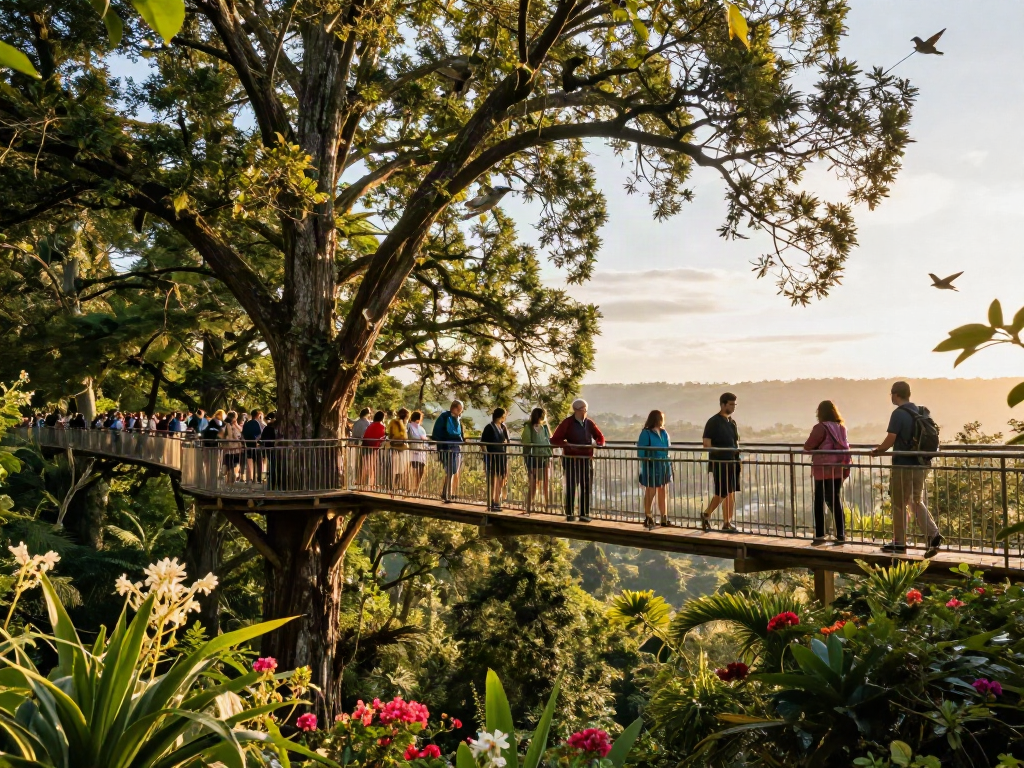
Imagine standing 70 feet above the forest floor, engulfed by the vibrant hues of leaves and the chirping of birds nestled in the branches. This immersive experience is what a Treetop Walkway offers, enticing nature enthusiasts and adventure seekers alike. As urban dwellers often find nature relegated to distant parks, treetop walkways provide a splendid opportunity to reconnect with the earth’s rich ecology from a unique vantage point. These elevated paths not only create a memorable experience but also foster a deeper appreciation for the biodiversity found in our woodlands.
What is a Treetop Walkway?
A treetop walkway, often referred to as a canopy walkway, is a pedestrian bridge or network of pathways that allows visitors to access the upper levels of forests. These structures are typically constructed from sustainable materials and are designed to blend seamlessly with the natural environment. While they vary in length and height, most walkways are elevated several metres off the ground, providing breathtaking views and close encounters with wildlife. Renowned examples include the Treetop Walkway at Kew Gardens and the Wild Walk at the Wild Center in New York, each offering distinctive perspectives on their respective ecosystems.
The Benefits of Walking Among the Canopy
Walking among the trees provides numerous benefits that extend beyond mere pleasure. Firstly, it offers visitors a unique perspective on nature that is often unavailable from the ground. Being elevated brings sunlight and breezes that enhance the sensory experience. Additionally, this exposure can foster mindfulness and emotional well-being. Research indicates that spending time in natural settings, including elevated walks, can significantly reduce stress and enhance mood. Furthermore, by accessing these elevated paths, visitors can learn about the importance of forest conservation and the various species of flora and fauna that populate these vibrant ecosystems.
Environmental Impact and Sustainability
Treetop walkways are not only an avenue for recreation but also serve as critical tools for environmental education and sustainability. By creating low-impact paths through delicate forest ecosystems, they minimise human disturbance to the ground flora and fauna. Many walkways are constructed using sustainable materials like reclaimed wood and ensure that the construction process causes minimal disruption to the surrounding environment. Moreover, these walkways can promote ecotourism, encouraging visitors to support conservation efforts actively and appreciate their natural surroundings while bolstering local economies.
Planning Your Visit to a Treetop Walkway
Choosing the Right Location
When selecting a treetop walkway to visit, consider factors such as accessibility, the surrounding environment, and the specific experiences each location offers. For instance, the Treetop Walk at Kew Gardens immerses visitors in a historical botanical setting, whereas the Wild Walk at The Wild Center allows exploration through the heart of the Adirondack forest. It's essential to review local guides and descriptions to find a walkway that aligns with your interests, whether they be wildlife observation, photography, or simply enjoying a scenic stroll above the treetops.
What to Expect on Your Adventure
Visitors to treetop walkways can anticipate a mix of physical activity, education, and interaction with nature. Most walkways feature guides and information boards that explain the local ecosystem, providing insights into the interconnectedness of wildlife and plant species. Be prepared for varying levels of difficulty; while many walkways are designed to be accessible to all ages and abilities, some may have steeper inclines or require moderate physical exertion. Regardless, guests can expect an exhilarating blend of fresh air, stunning views, and the thrill of walking among the treetops.
Essential Tips for a Memorable Experience
- Wear appropriate footwear: Sturdy, comfortable shoes are essential, as walkways can sometimes be uneven or slippery.
- Check the weather: Dress in layers and be prepared for changes in weather conditions; rain can make surfaces damp and slippery.
- Bring a camera: Capture the breathtaking views and wildlife you may encounter during your visit.
- Plan ahead: Research opening hours, ticket requirements, and any special events that might enhance your visit.
Health Benefits of Treetop Walks
Improving Mental Well-Being
Studies suggest that spending time in nature can lead to significant improvements in mental health. Engaging with the natural world, especially at elevated heights, can promote feelings of happiness and reduce anxiety. The unique experience of a treetop walkway allows individuals to immerse themselves in the sounds and sights of nature, encouraging a sense of relaxation and well-being.
Physical Fitness Through Nature
Walking on a treetop walkway can be an excellent form of exercise, benefiting both cardiovascular health and muscle strength. The additional elevation adds a fun challenge, often requiring more significant physical effort than a standard walk on flat terrain. Engaging in such nature-based activities promotes a more active lifestyle, encouraging families to incorporate outdoor adventures into their routine.
Family Bonding Activities in the Trees
Treetop walkways provide an extraordinary setting for families to bond and create memories. The shared experience of exploring nature together fosters connections that can last a lifetime. Many walkways also feature educational components, where families can learn together about the environment, making the visit both enjoyable and informative.
Safety and Accessibility on Treetop Walkways
Safety Guidelines for Visitors
While treetop walkways are designed to be safe and enjoyable, it is crucial for visitors to adhere to safety guidelines to ensure a pleasant experience. Always follow posted rules, such as maximum occupancy limits, and remain within designated pathways. Additionally, staying aware of your surroundings and avoiding running or climbing on the walkways will help maintain safety for all visitors.
Accessibility Considerations
Many treetop walkways are built with accessibility in mind. Ramps and platforms may be available to accommodate wheelchairs and strollers, although it’s advisable to check specific venues for detailed accessibility information in advance. By doing so, visitors can ensure an inclusive experience where everyone can enjoy the beauty of the canopy.
Planning for Young Children and Elderly Visitors
When visiting a treetop walkway with children or elderly family members, consider selecting locations that are specifically designed for ease of access and safety. Engage in conversations about safety rules beforehand, and take breaks as needed, as the experience can be physically demanding. Also, bringing along necessary items, such as water and sunscreen, can help ensure a comfortable outing for all ages.
Future Trends in Treetop Walkways
Innovative Designs and Technology Integration
The future of treetop walkways is bright, with ongoing innovations in design and technology. Future walkways will likely incorporate advanced materials that enhance safety and sustainability. Innovative design elements, such as educational augmented reality experiences, may be integrated into treetop walks, allowing visitors to interact with their environment in new and exciting ways.
Increasing Popularity and Tourism Impact for 2026
As awareness of the importance of nature conservation grows, treetop walkways are becoming increasingly popular tourist attractions. Many regions are investing in the development of these walkways to promote eco-tourism, which supports the local economy while educating visitors about the surrounding ecosystem. This trend is expected to continue into 2026, as more individuals seek immersive experiences amidst nature.
Real-Life Examples of Successful Treetop Walkway Projects
Across the globe, numerous treetop walkways exemplify successful project implementation. For instance, the Treetop Walk at the Royal Botanic Gardens, Kew, provides visitors with a stunning 18-metre-high vantage point from which to view the garden’s magnificent trees and wildlife. Similarly, the Murch Canopy Walk in Ohio features a 500-foot-long walkway that rises 65 feet above the forest floor, attracting visitors with its breathtaking views and unique design. These projects highlight the potential for treetop walkways to enchant and educate future generations.
What are the best Treetop Walkways to visit?
The answer to this question often depends on personal preferences, as each location offers unique experiences. Popular choices include the Treetop Walkway at Kew Gardens, the Wild Walk at The Wild Center, and the Murch Canopy Walk. Each destination highlights different aspects of nature and ecology, allowing for a varied experience.
How do Treetop Walkways benefit the environment?
Treetop walkways can create opportunities for eco-friendly tourism and education while minimising disruption to native ecosystems. Additionally, these structures raise awareness about forest conservation issues and highlight the rich biodiversity found in wooded areas.
Is a Treetop Walk suitable for children and families?
Absolutely! Many treetop walkways are designed with families in mind, providing safe and accessible paths for children and adults alike. Interactive exhibits and educational opportunities also make these trips ideal for family outings.
What should I wear for a Treetop Walk?
Comfortable clothing and sturdy footwear are essential for a successful treetop walk. Dress appropriately for the weather conditions and wear layers if necessary, as temperatures may vary at different elevations.
Are Treetop Walkways accessible for individuals with disabilities?
Many treetop walkways have been designed to be accessible to individuals with disabilities, featuring ramps and platforms to facilitate movement. However, it remains essential to verify specific accessibility options at each location before planning your visit.