1. Common Reasons for Carbon Monoxide Detector Beeping
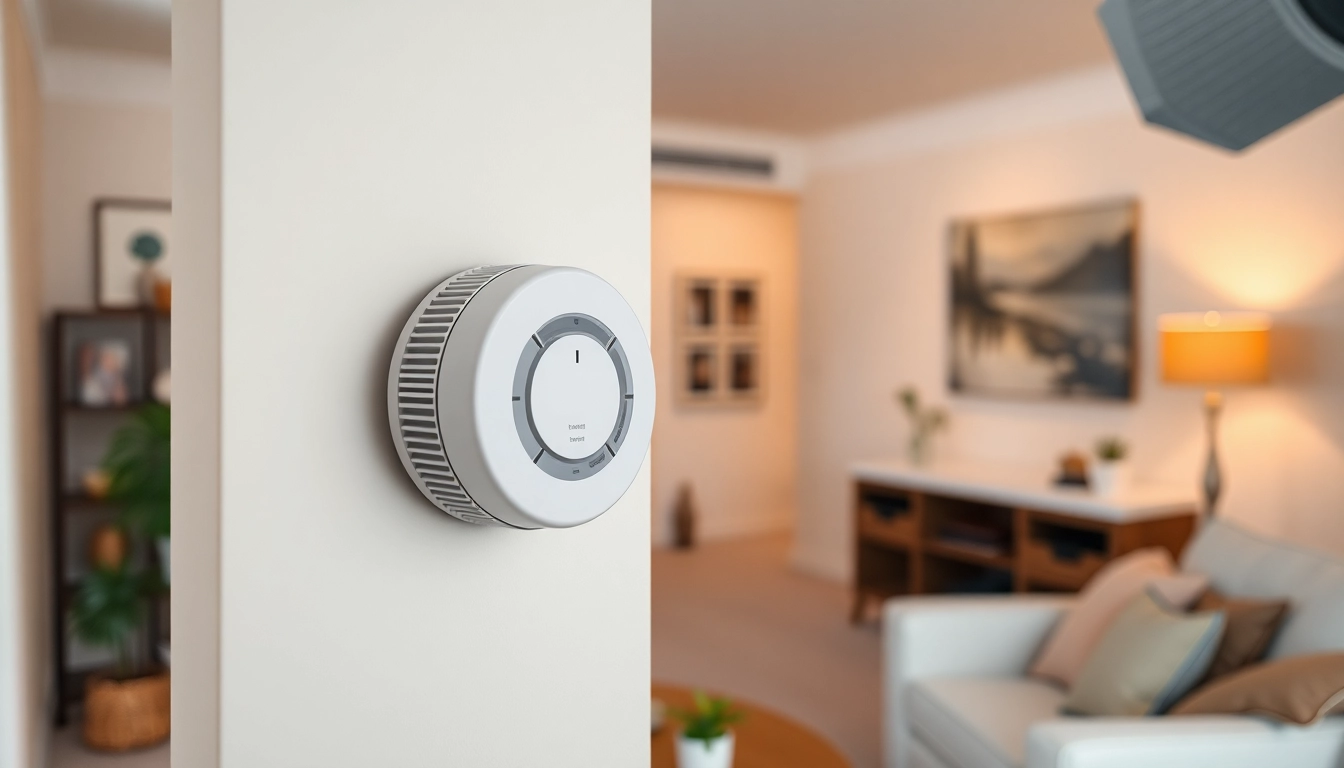
Hearing your carbon monoxide detector beeping can be alarming. It's crucial to understand why this happens to ensure your safety and the reliability of the device. Here, we will delve into the common reasons for this beeping and what they signify.
1.1 Low Battery Alerts
One of the most common reasons your carbon monoxide detector might beep periodically is a low battery. Most detectors are equipped with battery life indicators and will emit a chirping sound when the battery needs replacing. This is a vital alert that should not be ignored, as it can lead to a complete failure of the device when you need it most. To avoid this issue, regularly check the batteries, replacing them at least once a year, or as instructed by the manufacturer.
1.2 Error Codes and Malfunctions
Modern carbon monoxide detectors are complex devices that can sometimes malfunction. Beeping accompanied by a specific sequence of sounds can indicate an error code, signaling an internal issue that requires attention. For example, a rapid series of beeps could mean that the detector is not functioning correctly or has reached the end of its lifespan. Always refer to the user manual for the specific meanings of these codes, and if unsure, contacting the manufacturer or a professional installer can help clarify the situation.
1.3 Real Carbon Monoxide Detection
Perhaps the most critical reason for a carbon monoxide detector to beep is the detection of actual carbon monoxide gas in the environment. Since carbon monoxide is an odorless, colorless gas that can lead to poisoning, the alarm is a serious signal to evacuate your home immediately. If the alarm sounds in this scenario, it is crucial to leave the premises and call emergency services or your gas supplier to check your property for any leaks.
2. How to Respond to Your Carbon Monoxide Detector Beeping
When your detector begins to beep, the response you take can be crucial. Understanding the appropriate steps can help ensure your safety and that of those around you.
2.1 Immediate Actions to Take
If your carbon monoxide detector starts beeping, the first step is to remain calm. If the beeping indicates low batteries, replace them immediately and test the unit. However, if the alarm indicates potential carbon monoxide presence, it is essential to act quickly: evacuate everyone from the building, ensuring that pets are also taken care of. Do not attempt to investigate or solve the issue while inside the building, as exposure to carbon monoxide can be harmful.
2.2 When to Call Professionals
After evacuating, call emergency services and your utility provider to investigate the carbon monoxide alarm. They can evaluate your home for sources of carbon monoxide and ensure that it is safe to re-enter. It's important to always err on the side of caution; if you have any doubts about the situation or feel unwell after experiencing an alarm, do not hesitate to seek professional help.
2.3 Safety Precautions and Evacuation Plans
Developing a comprehensive safety plan is essential in case your carbon monoxide detector sounds an alarm. Familiarize all household members with how to respond, and establish clear evacuation routes. Conduct regular drills to ensure everyone knows their role in an emergency, which includes knowing the nearest exits and a designated meeting place outside the home. Additionally, ensure that the detectors in your home are functioning correctly and easily accessible for testing and battery replacement.
3. Understanding Carbon Monoxide and Its Dangers
To fully grasp the importance of carbon monoxide detectors, it's vital to understand what carbon monoxide is and the dangers associated with it.
3.1 What is Carbon Monoxide?
Carbon monoxide (CO) is a colorless, odorless gas produced by the incomplete combustion of fossil fuels. Sources include gas stoves, heating systems, vehicles, and generators. It's hazardous because it can build up indoors, particularly in poorly ventilated spaces, leading to dangerous levels that can result in poisoning.
3.2 Symptoms of Carbon Monoxide Poisoning
The symptoms of carbon monoxide poisoning often resemble those of the flu, making it difficult to diagnose without proper detection. Common symptoms include headaches, dizziness, weakness, nausea, confusion, and chest pain. High levels of exposure can lead to unconsciousness or death. Recognizing these symptoms early is crucial in responding to a carbon monoxide alarm effectively.
3.3 Long-term Health Effects
Survivors of carbon monoxide poisoning may face long-term health effects, such as neurological damage, which can manifest as difficulty with memory, coordination, and cognitive skills. Prolonged exposure, even at low levels, can subtly damage health over time. The importance of having a working carbon monoxide detector cannot be overstated, as it is the first line of defense against these serious health issues.
4. Maintenance and Upkeep of Your Carbon Monoxide Detector
Maintaining your carbon monoxide detector is essential to ensure it's always in working condition. Follow these best practices to keep your detector functional.
4.1 Regular Testing and Battery Replacement
It is recommended to test your carbon monoxide detectors at least once a month. Most units come equipped with a test button that allows you to check functionality. Additionally, change the batteries annually or as soon as the device alerts a low battery signal. Some devices may have a sealed battery that lasts up to 10 years; in such cases, the entire device will need replacing at the end of its life cycle.
4.2 Placement Best Practices
Where you place your carbon monoxide detector is crucial for its effectiveness. Install them on every level of your home, particularly near sleeping areas to ensure you can hear the alarm if it sounds while you're asleep. They should be mounted on a wall or ceiling, following manufacturer guidelines, typically between 5 to 15 feet from fuel-burning appliances to avoid false alarms.
4.3 Upgrading to Smart Detectors
Considering smart carbon monoxide detectors can enhance safety features. These devices can send alerts to your smartphone, as well as provide detailed information on air quality and potential hazards. They often work alongside smart home systems, allowing you to monitor your environment easily. Investing in modern technology can offer peace of mind and a greater level of control over your home's safety.
5. Frequently Asked Questions about Carbon Monoxide Detectors
With so much to consider regarding carbon monoxide detectors, it's common to have lingering questions. Below are some of the most frequently asked questions and their answers.
5.1 How Often Should I Replace My Detector?
Generally, carbon monoxide detectors should be replaced every 5 to 7 years, depending on the manufacturer's instructions. It’s essential to check the date of manufacture on your detector to ensure you are within the recommended replacement period. If you rely on older models, consider upgrading to newer technology that provides better detection and alerts.
5.2 Can I Silence a Beeping Detector?
You can temporarily silence a carbon monoxide detector that is beeping due to low batteries or a periodic test. However, if the beeping persists or is due to actual gas detection, it should not be silenced until the issue is resolved. Always prioritize safety over silencing the alarm, as it could be a critical warning signal.
5.3 Signs of a Faulty Carbon Monoxide Detector
Signs of a faulty carbon monoxide detector include persistent beeping despite a fresh battery, failure to beep during tests, or an illuminated error code that does not clear after a reset. If you notice any of these symptoms, it’s important to replace the unit immediately to ensure your safety and well-being.