








Understanding the Corner Shower Enclosure
What is a Corner Shower Enclosure?
The concept of the corner shower enclosure refers to a shower installation strategically designed to fit into the corner of a bathroom. Unlike more typical straight shower stalls, corner enclosures utilize available space efficiently and can enhance the overall aesthetic of a bathroom, promoting a more open feeling despite the smaller footprint.
Advantages of Corner Shower Enclosure
Corner shower enclosures provide numerous advantages that make them popular among homeowners and designers alike. Firstly, they are ideal for compact bathrooms, ensuring that every inch is utilized effectively. Additionally, their design often allows for greater accessibility, making it easier to enter and exit. The variety of styles, from framed to frameless glass options, also means they can complement many different decors, enhancing the bathroom’s aesthetic appeal. Lastly, corner shower enclosures can lead to increased property value due to their modern look and functional design.
Types of Corner Shower Enclosures
Understanding the types of corner shower enclosures is crucial when making a choice best suited for individual needs. Key types include:
- Framed Enclosures: These provide sturdy support with a metal frame and are typically more affordable than their frameless counterparts.
- Frameless Enclosures: Characterized by a sleek appearance, these shower enclosures give the illusion of expanded space and are often made of thicker glass.
- Neo-Angle Enclosures: Often utilized for modern or contemporary designs, these have a unique shape that maximizes space while still being stylish.
- Bi-Fold Enclosures: These are designed to save space and open inward, making them a great option for very tight spaces where swinging doors would be impractical.
Choosing the Right Size
Standard Sizes for Corner Shower Enclosure
When selecting a corner shower enclosure, size is a significant factor to consider. Commonly available sizes include 32 x 32 inches, 36 x 36 inches, and even up to 38 x 38 inches. Standard sizes help ensure compatibility with plumbing measurements and existing space while maintaining a balance between comfort and functionality.
Measuring Your Space
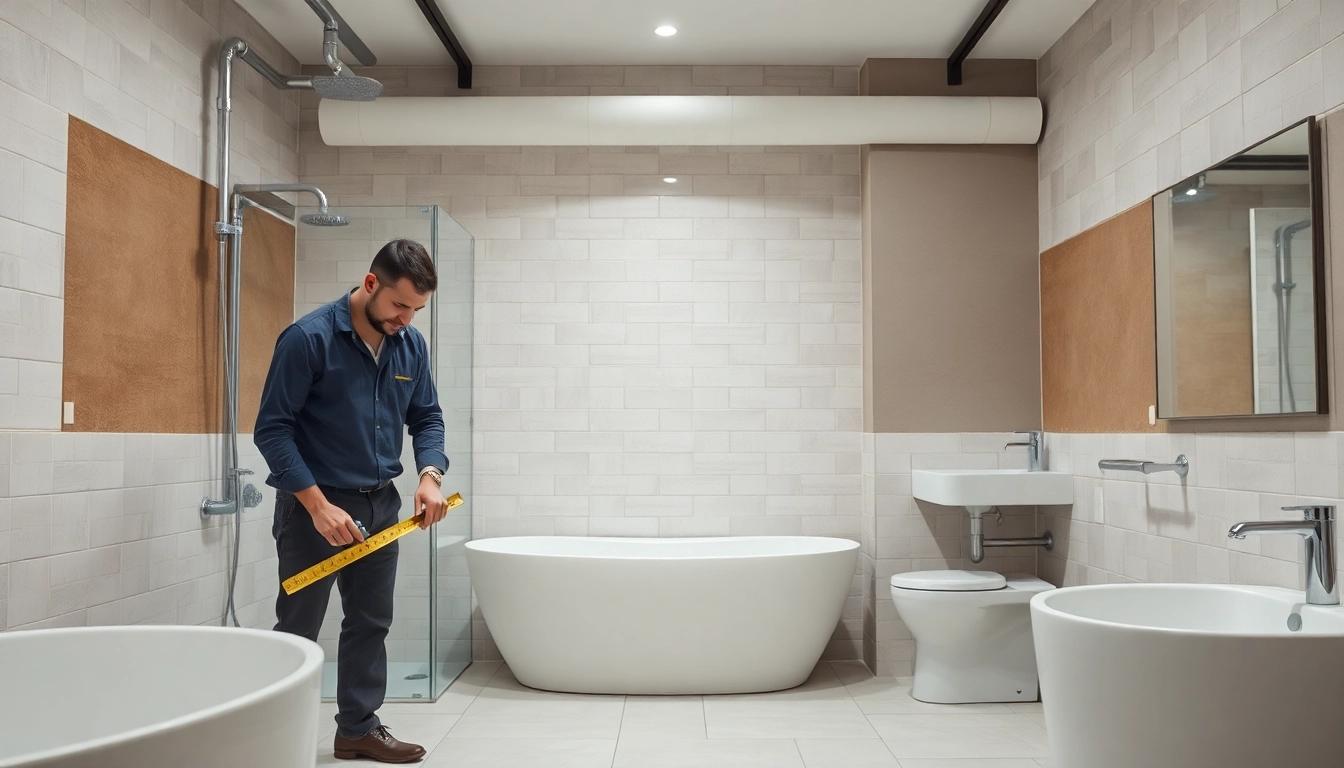
Accurate measurements are vital to ensure a perfect fit. Start by measuring the corner where the enclosure will go, accounting for any fixtures such as sinks or vanities nearby. Pay attention to the height, width, and depth to make sure you choose an enclosure that not only fits well but also offers sufficient headroom for users. It’s a good idea to check for any obstructions such as windows or lighting fixtures that could interfere with the installation.
Custom Corner Shower Enclosure Options
If standard sizes do not fit your specific needs, custom options are available. These often involve a more elaborate process for measuring and ordering but can ensure that your corner shower enclosure fits seamlessly with the unique dimensions and layout of your bathroom. Working with professionals during this stage can provide valuable insights regarding design and functionality.
Design Considerations
Materials to Consider for Corner Shower Enclosure
The materials used for a corner shower enclosure can significantly impact both its aesthetic and durability. Common materials include:
- Glass: Typically tempered for strength, available in clear or frosted finishes.
- Plastic: Offers a more economical solution, though often less elegant than glass.
- Metal Frames: Common in framed enclosures, materials such as aluminum or stainless steel are often used for both style and stability.
Choosing quality materials not only enhances appearance but can also assist in moisture resistance, lowering maintenance effort.
Framed vs Frameless Corner Shower Enclosure
The choice between framed and frameless designs often depends on personal preference and bathroom architecture. A framed enclosure provides additional support and can be substantially easier to install. Conversely, a frameless enclosure creates an airy open look and can visually expand the space. Ultimately, consider the intended style and overall ambiance you wish to achieve in the bathroom.
Aesthetic Choices to Enhance Your Bathroom
Aesthetic factors play a crucial role in selecting a corner shower enclosure. The enclosure should harmonize with the overall bathroom theme. Factors such as the finish and color of the frame, tile patterns, and flooring materials can help create a cohesive look. For instance, modern fixtures can complement a sleek frameless enclosure, whereas traditional styling might go well with a framed model outfitted with decorative accents.
Installation Tips
DIY vs Professional Installation
When it comes to installation, homeowners often weigh the benefits of DIY versus hiring professionals. DIY installation can save money but requires careful planning and attention to detail. For those unfamiliar with plumbing and structural considerations, it may be worth the investment to engage a contractor familiar with shower enclosure installation for optimal results and peace of mind.
Essential Tools for Installation
For those opting for DIY installation, having the right tools will be necessary. Essential items include a level, measuring tape, drill, caulking gun, and rubber mallet. These tools will not only facilitate the installation process but also ensure a professional-looking finish.
Step-by-Step Installation Process
The installation of a corner shower enclosure typically follows these steps:
- Prepare the area by ensuring the surface is level and clean.
- Assemble the base, if necessary, following manufacturer instructions.
- Install the back wall panels, ensuring they are secured and sealed well to prevent leaks.
- Attach the side panels, ensuring they are straight and plumb.
- Install the door according to instructions, making sure it swings or slides smoothly.
- Seal all joints with caulking to prevent water leakage.
Completing this process with precision can enhance the shower’s lifespan and prevent future issues.
Maintenance and Care
Cleaning Your Corner Shower Enclosure
Regular maintenance is essential to keep a corner shower enclosure looking beautiful. Cleaning products specifically formulated for glass or tiles can help remove soap scum and mineral buildup. It’s advisable to clean surfaces regularly and to dry them after use to minimize water spots.
Common Issues and Solutions
Common issues include leaks, mold buildup, and cracked glass. Address leaks promptly by inspecting seals regularly and replacing any damaged caulking. Mold can often be managed by routine cleaning, but persistent issues may necessitate replacing mold-affected materials entirely. Glass can be repaired if chipped or cracked, so consider consulting a professional for extensive damages.
Longevity Tips for Your Shower Enclosure
To ensure a long life for your corner shower enclosure, it’s crucial to perform regular cleanings, replace damaged seals promptly, and avoid abrasive cleaning tools that can scratch glass surfaces. Ensuring ample ventilation in the bathroom helps reduce humidity levels, further protecting against mold and mildew growth.
FAQs about Corner Shower Enclosures
1. What is the typical size of a corner shower enclosure?
Common sizes include 32 x 32 inches, 36 x 36 inches, and 38 x 38 inches, but custom sizes can be created to fit specific spaces.
2. Can I install a corner shower enclosure myself?
Yes, but adequate tools, measurements, and skills are required. If unsure, hiring a professional is recommended to ensure a proper fit.
3. What’s the difference between framed and frameless enclosures?
Framed enclosures feature a metal framework for support, while frameless options use thicker glass with no external frame, providing a sleeker look.
4. How do I prevent mold in my corner shower enclosure?
Regular cleaning, ensuring proper ventilation, and using mildew-resistant caulking will help minimize mold growth in your shower enclosure.
5. What maintenance does a corner shower enclosure require?
Routine cleaning to prevent soap scum and mineral buildup, regular inspection of seals, and timely repairs if any damage occurs are essential for maintenance.