









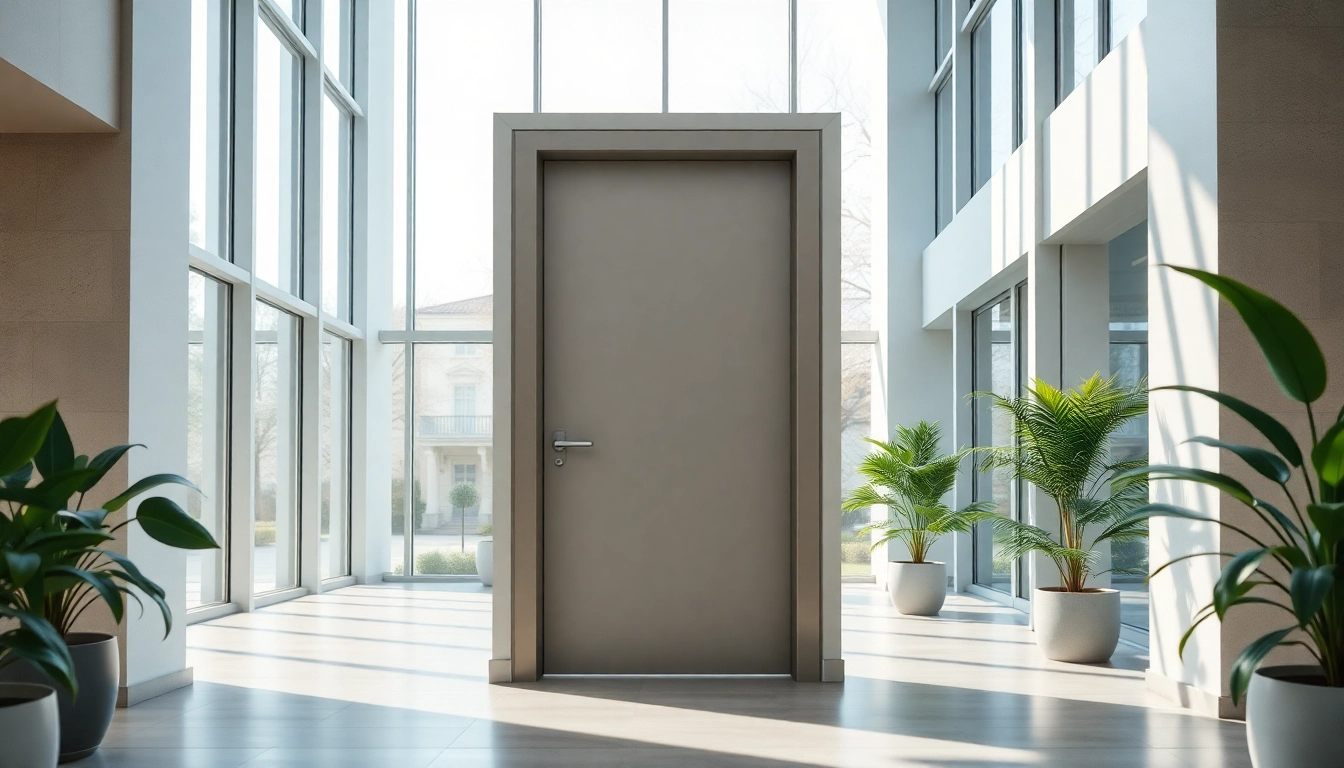
Understanding the Importance of an Exit Door
When planning for safety and accessibility in any space, the selection of an exit door is paramount. Not only does this type of door serve as a critical escape route during emergencies, such as fires or other hazardous situations, but it also plays a significant role in the everyday functionality of buildings, homes, and public facilities. Understanding the nuances of what constitutes an ideal exit door can vastly improve safety protocols and enhance user experience.
What Defines an Exit Door?
An exit door is primarily defined as a designated access point that leads to the outside of a building, providing a safe exit route in emergencies. They are typically equipped with specific features to ensure swift and easy accessibility. In addition to physical characteristics, building codes and regulations often dictate the design and placement of exit doors to maximize safety and efficiency during evacuations.
Key Features of an Effective Exit Door
Effective exit doors possess several key features. Firstly, they must be easily operable without special knowledge or proficiency, which is crucial during a panic situation. This includes doors that swing outward, allowing for a swift exit. Additionally, exit doors should have panic hardware, like crash bars, which ensure doors can be opened with minimal effort. Visibility also plays a vital role; exit doors should be well-marked and lit, ideally with photoluminescent signs or contrasting colors.
Why Quality Matters in Exit Doors
The quality of an exit door is non-negotiable. High-quality materials and construction ensure the door can withstand frequent use while maintaining structural integrity. Moreover, during emergencies, quality can translate to reliability, with doors functioning correctly when needed most. Investing in quality exit doors can save lives and protect properties, thus warranting careful consideration during selection.
Selecting the Ideal Materials for Exit Doors
Choosing the right material for an exit door is fundamental, as it influences the door’s durability, security, and overall performance. Material selection should take into account the specific environmental conditions the door will face, as well as aesthetic considerations and budget constraints.
Common Materials Used for Exit Doors
Exit doors are commonly made from a variety of materials, including steel, fiberglass, and wood. Steel doors offer exceptional durability and security, often featuring reinforced frames. Fiberglass doors are lightweight, resistant to weather, and can provide insulation. In contrast, wooden doors allow for aesthetic flexibility and warm appearances but may require more maintenance and care to ensure longevity.
Comparative Durability and Maintenance
When comparing durability, steel doors are generally the most robust, lasting many years with minimal wear. However, they can suffer from rust in moist environments unless properly treated. Fiberglass is another excellent option, showcasing resistance to dents and corrosion. Conversely, wooden doors might not perform as consistently over time, often needing frequent refinishing or replacement due to environmental exposure.
Cost Implications of Different Materials
Cost-effectiveness varies significantly among materials. Steel doors tend to have a higher upfront cost but can save money over time due to their longevity and low maintenance needs. Fiberglass doors can also represent a higher initial investment, but their durability and low upkeep make them a wise long-term choice. Wooden doors, while often less expensive upfront, may incur higher costs with ongoing maintenance and potential replacements.
Design Considerations for an Exit Door
The design of an exit door goes beyond mere aesthetics; it encompasses functionality, safety regulations, and compliance with local building codes. A thoughtful design can enhance user experience while ensuring immediate accessibility in emergencies.
Styles that Enhance Aesthetic Appeal
While exit doors must retain certain safety features, various styles can enhance their aesthetic appeal. Options include sleek, modern designs featuring glass panels or more traditional styles with ornamental frames. Selecting a design that complements the building’s architecture enhances the overall space without sacrificing safety.
Ensuring Compliance with Building Codes
Building codes govern the minimum safety requirements for exit doors and vary by locality. Factors such as door width, swing direction, and hardware installation methods must adhere to these codes. Consulting local regulations and standards ensures that the exit door will not only be functional but also legally compliant.
Accessibility Features in Exit Doors
Ensuring accessibility for all individuals, including those with disabilities, is a crucial consideration when selecting exit doors. Features such as wider door openings, automatic door operators, and tactile indicators can significantly enhance usability. Installing accessible exit doors not only complies with legal requirements but also showcases a commitment to inclusivity in design.
Installation Best Practices for Exit Doors
Proper installation of an exit door is essential to ensure it performs effectively. Failing to do so can lead to issues that compromise safety and function. Therefore, following best practices during installation is recommended.
Tools and Materials Needed for Installation
To install an exit door successfully, you’ll need various tools, including a drill, screws, level, and measuring tape. Additionally, having safety gear, such as gloves and eye protection, ensures the process is as safe as possible. Pre-installation checks of the door’s frame and surroundings should also be conducted to confirm proper fit.
Step-by-Step Installation Process
- Measure the rough opening for the door to ensure it’s correct for the door size.
- Prepare the frame and remove any obstructions before positioning the door.
- Install the door with level checks to ensure a proper fit and alignment.
- Secure the door in place using screws and add any required hardware.
- Test the door function and make necessary adjustments to the alignment.
Common Mistakes to Avoid During Installation
One of the frequent mistakes during installation is failing to check the level correctly, which can cause operational issues down the line. Additionally, overlooking seals or thresholds can lead to drafts or water infiltration. Ensure all hardware is compatible and functioning before completing the installation process to avoid these common pitfalls.
Maintaining Your Exit Door for Longevity
Maintenance is key to prolonging the lifespan of an exit door. Regular upkeep can prevent minor issues from escalating into significant problems.
Routine Checks and Maintenance Tips
Routine maintenance checks should include examining seals for wear, testing locking mechanisms, and painting or refinishing surfaces as needed. Ensuring debris is cleared from the door area is also critical to prevent hindrance during evacuations. Regular lubrications for hardware will minimize wear and tear.
When to Consider Repairs or Replacement
When a door shows signs of excessive wear, such as warping, rust on steel doors, or broken hardware, it should be assessed for repair or replacement. If the door fails to operate smoothly or meets safety issues, replacement is often the most prudent choice. Implementing a regular inspection routine helps identify these needs swiftly.
Enhancing Security Features of Your Exit Door
Security should never be overlooked when selecting an exit door. Installing strong locks, such as deadbolts or electronic access systems, can significantly enhance security. Additional features like security cameras or alarm systems can further protect these crucial access points, ensuring safety without compromising accessibility.
FAQs About Exit Doors
What are the required dimensions for exit doors?
Exit doors typically require a minimum width of 32 inches to accommodate easy access. Check local building codes for specific regulations.
Can exit doors be customized in design?
Yes, many exit doors can be customized in terms of design and material while ensuring compliance with safety regulations.
Are automatic exit doors safe?
Automatic exit doors can enhance accessibility and safety when installed properly, equipped with motion sensors and safety features.
How often should I maintain my exit door?
Routine checks should occur at least quarterly, with more frequent inspections recommended if the door is subject to heavy use.
Do exit doors require special signage?
Yes, exit doors should display clear signage indicating their function and must be visible in both day and night conditions for safety.