









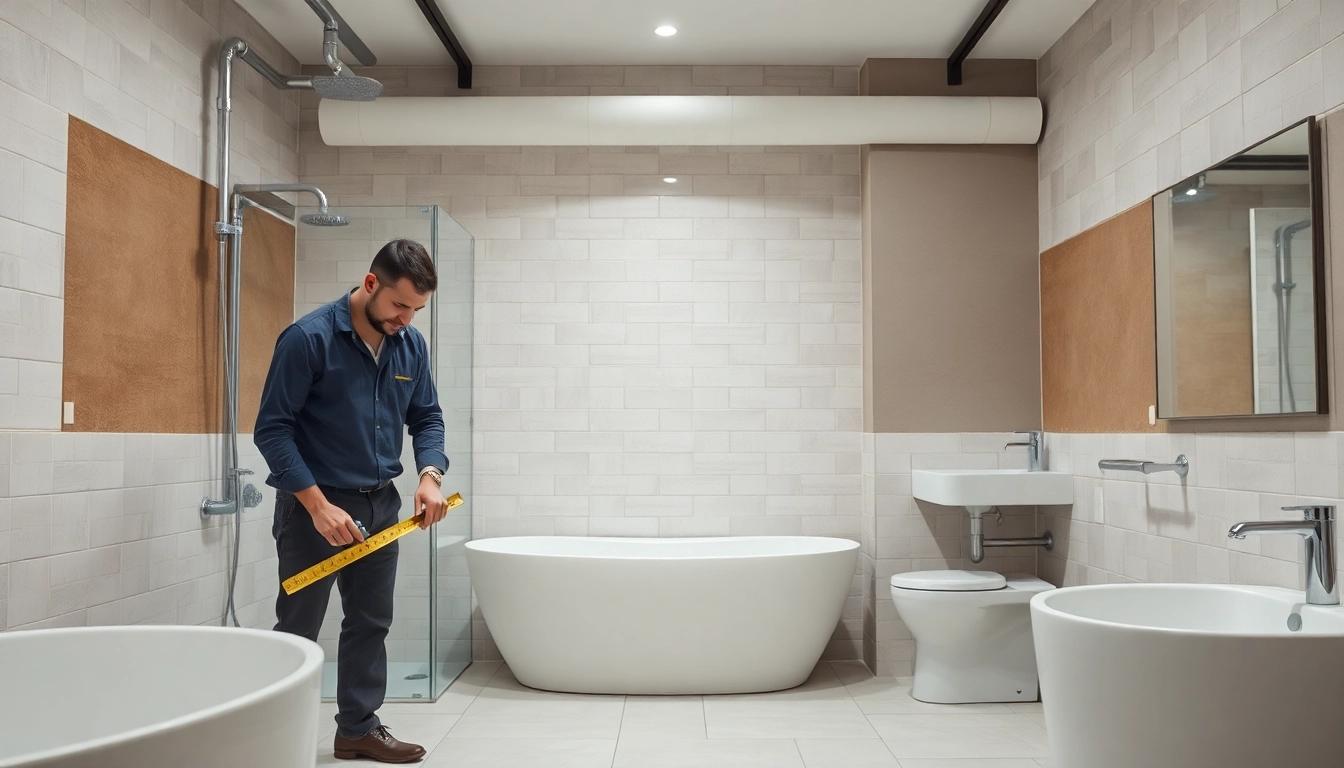
Key Components Influencing Bathroom Renovation Cost
Materials: Choosing the Right Supplies
When embarking on a bathroom renovation, the choice of materials plays a fundamental role in determining the overall bathroom renovation cost. High-quality materials like porcelain tiles, granite countertops, and stainless steel fixtures, while more expensive upfront, often offer superior durability and aesthetic appeal. Conversely, opting for more cost-effective alternatives such as vinyl flooring and laminate countertops can help in minimizing expenses. It’s crucial to balance quality and budget by understanding the longevity and maintenance of each material. For example, while ceramic tiles may cost less initially, they can be more prone to cracking, leading to higher costs in repairs and replacements over time.
Labor: Cost Implications of Professionals
The labor cost can significantly impact your renovation budget. Hiring professionals ensures quality work and adherence to local building codes, but their services come at a premium. Various factors affect labor costs, including geographical location, the complexity of the work, and the experience level of the contractors. For example, hiring a skilled plumber or electrician may be vital for specific installations, such as upgrading plumbing lines or electrical systems. Always obtain multiple quotes from reputable professionals and check references to ensure you are getting value for your money.
Design: Innovative Ideas that Fit Your Budget
Your bathroom design will also influence the renovation costs. Sophisticated designs with elaborate features such as dual vanities, walk-in showers, and bespoke cabinetry can drive up expenses. However, innovative yet budget-friendly design ideas can help you create a stunning bathroom without breaking the bank. For instance, utilizing clever storage solutions can maximize space while enhancing the bathroom’s aesthetics. Furthermore, using a cohesive color palette can unify the design, adding appeal without necessitating expensive materials or fixtures.
Typical Bathroom Renovation Cost Breakdown
Basic vs. Luxurious Renovations
The scope of your renovation will dictate its cost. A basic bathroom renovation, which may include repainting, replacing fixtures, and updating flooring, can typically range from a few thousand to several thousand in expenses. In contrast, a luxurious renovation that features upscale materials and high-end fixtures can easily exceed tens of thousands of dollars. It is essential to identify what level of renovation aligns with your budget and expectations. Prioritize elements like energy-efficient fixtures and timeless materials that can provide both cost savings and enhance your home’s value.
Regional Differences in Pricing
Construction costs often vary significantly based on location. For instance, urban areas tend to have higher labor and material costs compared to rural regions. Understanding local market dynamics can help you set realistic expectations for your renovation budget. Take the time to research typical expenses in your region, and consider consulting local contractors for tailored cost estimates. This can protect against unexpected financial setbacks and help you plan effectively.
Common Hidden Costs in Bathroom Renovations
Beyond materials and labor, several hidden costs can arise during a bathroom renovation project. These may include unexpected plumbing issues, the discovery of mold or water damage behind walls, and costs associated with obtaining permits. It is advisable to allocate an additional 10-20% of your renovation budget as a contingency fund to manage these unforeseen expenses. This proactive approach can alleviate stress and financial strain during the renovation process.
Budgeting for Your Bathroom Renovation
Setting a Realistic Budget
Setting a realistic budget is critical to a successful bathroom renovation. Begin by determining how much you are willing to spend and break it down into categories such as materials, labor, and contingency funds. Don’t forget to include small expenses such as paint, towel racks, and accessories. Research average costs for each category and factor these into your overall budget to ensure you have a comprehensive financial plan that aligns with your goals.
Financing Options Available
If your renovation costs exceed initial budgeting, several financing options can help. Home equity loans, personal loans, and credit lines are all potential resources. Alternatively, some contractors may offer financing plans to help spread out the expenses over time. Always compare interest rates and terms to find the most affordable option, ensuring it fits within your budget without compromising other financial obligations.
Tracking Costs Effectively
Maintaining a detailed record of all renovation expenses is essential to prevent overspending. Utilize spreadsheets or budgeting apps to track expenses in real-time, ensuring you remain within budget. Regularly review your spending and make adjustments where necessary, and always keep receipts for all purchases. This diligence will help maintain financial control throughout the renovation project.
DIY vs. Professional Renovation: Cost Analysis
When to DIY
Deciding whether to tackle renovations independently or hire professionals involves considering skills, time, and complexity. Certain tasks, such as painting or installing basic fixtures, can be easily accomplished by a DIY enthusiast and can provide significant savings. However, the more specialized jobs—like plumbing and electrical work—should be left to the experts to ensure compliance with safety standards and regulations. Assess your own skills realistically before deciding on the scope of work you wish to undertake.
Benefits of Hiring Professionals
Engaging professionals for your renovation ensures a quality finish, adherence to regulations, and often faster project completion. Additionally, experienced contractors can provide valuable insights regarding design, materials, and potential cost-saving measures based on their industry knowledge. Hiring skilled professionals may initially seem expensive, but the long-term benefits can outweigh the costs, especially when considering potential mishaps that could occur in DIY projects.
Comparing Costs: DIY vs. Professional
The cost comparison of DIY versus professional renovation can vary significantly depending on the scope of work and individual skill levels. Generally, DIY projects can save you the labor costs but may require purchasing additional tools and materials, which can add up. Conversely, while hiring professionals incurs higher upfront costs, their expertise can lead to a more polished final product and prevent costly mistakes. Carefully weigh these factors when making your decision to ensure it aligns with your renovation goals and financial situation.
FAQs about Bathroom Renovation Cost
What is the average bathroom renovation cost?
The average bathroom renovation cost typically ranges from a few thousand dollars for a basic remodel to over $20,000 for upscale renovations, depending on materials and features.
How can I reduce my renovation costs?
To reduce renovation costs, consider choosing less expensive materials, doing some of the work yourself, and avoiding extensive structural changes or high-end fixtures.
What factors affect the overall renovation cost?
Several factors impact renovation costs, including the size of the bathroom, materials used, labor costs, design complexity, and geographical location.
Are there hidden costs in renovations?
Yes, common hidden costs include unexpected plumbing issues, mold removal, permit costs, and overtime labor if the project runs longer than planned.
Is it worth hiring professionals for a bathroom renovation?
Hiring professionals is often worth the investment as they deliver expertise, ensure adherence to building codes, and can help avoid costly mistakes during the renovation.